



Introduction
The Deutscher Fernsehpreis 2026 arrives at a fascinating moment for German television. Traditional broadcasters, streaming platforms, production companies, journalists, actors, directors and entertainers are competing for recognition in a television landscape that has become more diverse and more competitive than ever. This year’s awards are especially notable because they reflect productions released between July 1, 2025, and June 30, 2026, giving the ceremony a broad look at one full season of German television and streaming.
The 2026 edition is also significant because the award is being staged across two major evenings in Cologne. The “Nacht der Kreativen” takes place on September 8 at the Flora, while the main television gala follows on September 9 at the Confex-Center. RTL is responsible for the year’s overall organization, with the main gala scheduled for broadcast in primetime.
What makes the Deutscher Fernsehpreis particularly interesting is its broad definition of television excellence. The awards do not focus solely on famous actors or popular shows. Writing, directing, editing, journalism, documentaries, entertainment, drama and other creative achievements all have a place. In 2026, nominations span 27 categories, offering a useful snapshot of where German television is succeeding and what subjects are attracting the strongest creative attention.
What Is the Deutscher Fernsehpreis 2026?
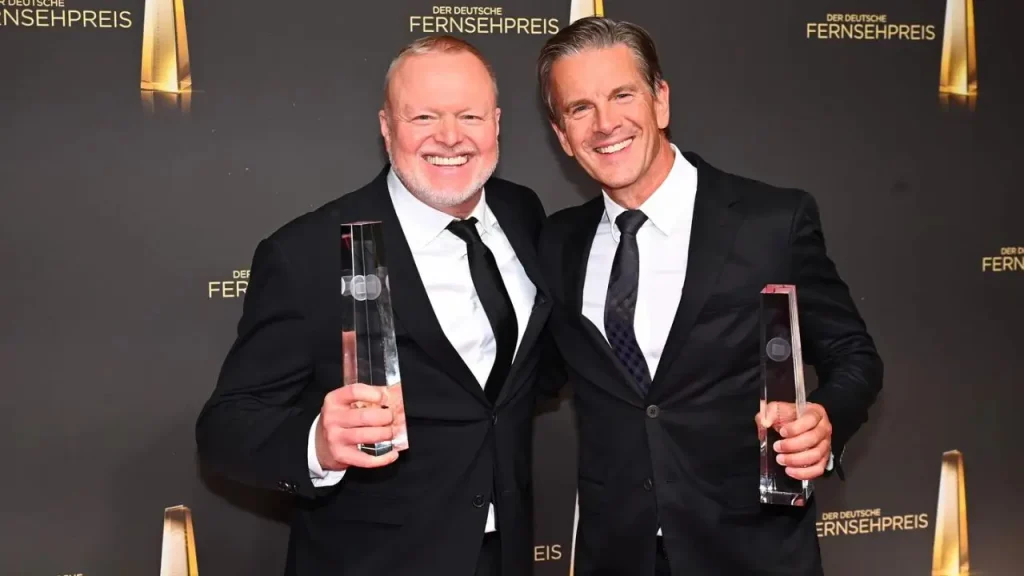
The Deutscher Fernsehpreis has been recognizing outstanding achievements in German television since 1999. It was established by ARD, RTL, Sat.1 and ZDF and later expanded its connections with the changing television and streaming market. MagentaTV became a participating founder in 2020, while Disney+, Netflix and Prime Video joined as partners in 2023. This evolution shows how dramatically the definition of television has changed since the award was first created.
The 2026 ceremony therefore represents more than a competition between conventional television channels. Streaming services now form an important part of the German entertainment ecosystem, and the awards acknowledge productions across both television and streaming. The result is a field in which a traditional broadcaster’s drama can compete for attention alongside a streaming production, documentary, entertainment format or digitally distributed series.
The award also has an unusually broad creative focus. The jury evaluates productions as well as individual journalistic and artistic achievements. This means that a successful television programme can be recognized for the overall quality of its production while individual contributors can receive attention for their work behind or in front of the camera. The distinction matters because great television is rarely the achievement of one person alone.
For viewers, the award provides a useful way to look beyond ratings and celebrity. A programme may become widely discussed because of its cast, while another may attract industry attention because of its writing, editing, investigative work or visual storytelling. The Deutscher Fernsehpreis attempts to bring those different forms of achievement together under one major national award.
When and Where Will the Deutscher Fernsehpreis 2026 Take Place?
The 2026 Deutscher Fernsehpreis is being held over September 8 and September 9 in Cologne. The first evening is dedicated to the “Nacht der Kreativen,” which recognizes achievements in creative and technical fields. The event takes place at the Flora in Cologne and is hosted by Jan Köppen. The second evening moves to the Confex-Center for the main television gala.
The two-evening structure gives the awards a useful distinction. Television ceremonies often place the greatest emphasis on the people viewers immediately recognize, such as actors, presenters and entertainers. The first evening provides greater visibility to the people whose work is essential to a production but who are less likely to dominate celebrity coverage. Writers, editors, directors and other creative specialists are crucial to the finished result, and their recognition gives the award greater depth.
Deutscher Fernsehpreis 2026: Explore nominations, jury, ceremony dates, hosts, standout productions and what viewers can expect.
| Element | Details |
|---|---|
| Focus Keyword | deutscher fernsehpreis 2026 |
| SEO Title | Deutscher Fernsehpreis 2026: Nominations, Winners, Jury & Ceremony |
| Meta Title | Deutscher Fernsehpreis 2026: Nominations & Ceremony |
| Meta Description | Deutscher Fernsehpreis 2026: Explore nominations, jury, ceremony dates, hosts and standout productions. |
| Slug | deutscher-fernsehpreis-2026 |
| Category | News |
| Article Length | 1400+ words |
| Main Topic | Deutscher Fernsehpreis 2026 |
| Ceremony Dates | September 8–9, 2026 |
| Location | Cologne, Germany |
| Main Host | Barbara Schöneberger |
| Jury Chair | Stephan Lamby |
| Categories | 27 |
| FAQs | 10 |
The main gala on September 9 has a more traditional television-event character. Barbara Schöneberger is returning to host the major ceremony, while RTL is broadcasting the show at 8:15 p.m. The 2026 gala also introduces a new location, with the Confex-Center providing the setting for the televised celebration.
This change of venue is more than a logistical detail. The organizers have described the new location as part of the continuing development of the award. A major television prize needs an environment capable of accommodating a large audience, prominent guests, performances and a broadcast production. The move to the Confex-Center reflects the event’s desire to present itself as a modern national television occasion.
The 2026 Jury and How the Winners Are Selected
One of the most important elements of the Deutscher Fernsehpreis 2026 is its independent professional jury. Journalist and producer Stephan Lamby is serving as jury chair for the first time, taking over from producer Wolf Bauer, who held the position from 2019 through 2025. The jury began its work at the start of the year, assessing the strongest achievements from the relevant television and streaming season.
The 2026 jury includes professionals from several different parts of the media industry. Among them are producer Meikel Giersemehl, MagentaTV executive Daniel Guhl, RTL executive Florian Hellenkamp, journalist and media commentator Alexander Krei, producer Ulrike Leibfried, actress Valerie Niehaus and journalist Isabel Schayani. The group also includes people with experience in entertainment, publishing, television management and digital media.
That range is important because television quality cannot be measured from only one professional perspective. A producer may concentrate on execution and storytelling, while a journalist may focus more heavily on relevance and accuracy. An actor may notice the strength of performances, whereas an entertainment specialist may judge the ability of a programme to connect with a large audience.
The jury’s task is therefore not simply to identify the most famous programme. According to the official award information, decisions are made through majority voting. The jury considers the strongest productions and individual achievements from the previous programme year and selects those it believes deserve recognition.
This approach also helps explain why nominations can sometimes surprise viewers. A programme that dominates public conversation is not automatically guaranteed a nomination. Likewise, a less internationally familiar production can attract significant industry recognition because of exceptional writing, directing, documentary work or another creative achievement.
Major Nominations and Standout Productions in 2026
The Deutscher Fernsehpreis 2026 has nominations across 27 categories, covering productions and individual journalistic or artistic achievements from the 2025/26 programme season. The distribution of nominations demonstrates how competitive the field has become. ARD productions received 32 nominations across work and individual categories, followed by ZDF with 23, RTL with 15 and ProSiebenSat.1 with 11. Netflix received seven nominations, while Prime Video received two. Other nominations went to MagentaTV, Disney+, Welt, Eurosport and HBO Max.
Several productions stand out because they appear repeatedly across different categories. “Chabos” from ZDFneo, “Hundertdreizehn” from ARD and “Die Nichte des Polizisten” from ARD each received four nominations. “Die Nibelungen – Kampf der Königreiche” from RTL and “Sturm kommt auf” from ZDF each collected three nominations. In entertainment, “Eurovision Song Contest – Das deutsche Finale 2026” and “Let’s Dance” each received two nominations.
“Hundertdreizehn” is particularly notable because its nominations cover several creative areas. The series is competing for Best Drama Series, while Rick Ostermann is nominated for directing and Arndt Stüwe for writing. Christoph Cepok and Benjamin Kaubisch are also recognized for editing. This spread demonstrates how a production can be appreciated not merely as a finished programme but as the combined result of multiple creative disciplines.
The nominations also reveal the continued strength of factual and journalistic television. The WDR, for example, received 11 nominations, including recognition for productions such as “Hundertdreizehn,” “naked,” “Mozart/Mozart” and “Hirschhausen und die Deepfake-Mafia.” Louis Klamroth was also nominated for his moderation of “Hart aber fair.”
These choices reflect a wider theme running through the 2026 awards. Jury chair Stephan Lamby said that current television is increasingly addressing major social issues and reflecting the changing mood of society. That observation can be seen in the mix of nominated fiction and information programming, where entertainment exists alongside stories dealing with serious contemporary questions.
Why the Deutscher Fernsehpreis 2026 Matters for German Television
Awards can sometimes feel detached from ordinary viewing habits, but the Deutscher Fernsehpreis has a practical role in documenting the development of German television. The programmes receiving recognition often reveal what broadcasters and streaming services are attempting to achieve creatively. When drama, documentaries, journalism, entertainment and sports all appear within the same award structure, viewers gain a broader picture of the industry’s priorities.
The 2026 nominations are particularly revealing because they demonstrate how closely television is connected to current social debates. Fictional productions can explore difficult subjects through personal stories, while documentaries and journalism can investigate real events and public controversies. Entertainment programmes, meanwhile, continue to provide a different kind of cultural space, offering humour, competition and shared viewing experiences.
The growing involvement of streaming platforms is another major development. Netflix, Prime Video, Disney+ and other digital services are now part of the award ecosystem. Their presence means German television awards can no longer be understood purely through the old division between public broadcasters and private television channels. Viewers increasingly move between traditional television, broadcaster-owned platforms and international streaming services without treating them as completely separate worlds.
The Deutscher Fernsehpreis also gives recognition to the creative professionals behind the programmes. Television audiences may remember an actor’s performance or a show’s central concept, but successful productions depend on screenwriters, editors, directors, producers, researchers, journalists and many other specialists. By recognizing these contributions, the award creates a fuller picture of how television is actually made.
What Viewers Can Expect From the 2026 Ceremony
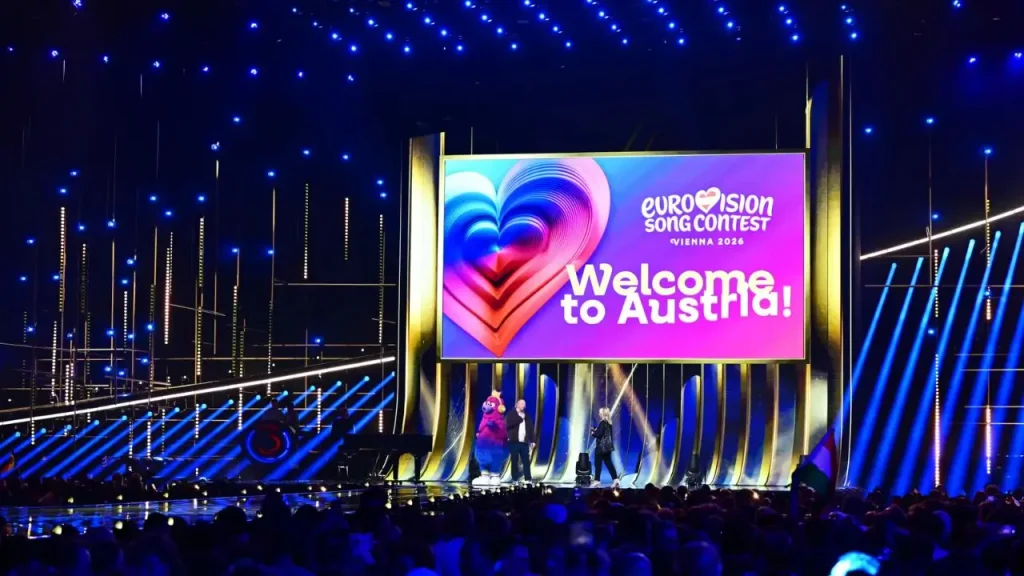
The main gala promises to combine the formal atmosphere of an awards ceremony with the entertainment expected from a major television broadcast. Barbara Schöneberger returns as host, giving the event an experienced and familiar presenter. Jan Köppen, meanwhile, takes over the “Nacht der Kreativen,” marking his first time hosting that part of the Deutscher Fernsehpreis.
For viewers, the appeal is not limited to finding out who wins. Award ceremonies offer a condensed overview of the year’s strongest productions and performances. A viewer who has missed a nominated series may discover a new programme, while fans of a particular actor, director or presenter can see their work recognized alongside other major names.
The two-night format also gives the event a stronger connection to the wider television industry. The first evening celebrates the creative professions, while the second places the major award categories into a large-scale television production. That balance helps prevent the ceremony from becoming solely a celebrity event.
The September 9 broadcast is scheduled for RTL at 8:15 p.m. The combination of a new venue, established host and broad range of nominations makes the 2026 edition particularly significant for German television audiences.
Ultimately, the most interesting part of the ceremony may be the conversations that follow the winners. Awards can influence which productions receive renewed attention and can give creative teams a valuable form of professional recognition. For viewers, they also provide a chance to reconsider the programmes that shaped the television season.
Conclusion
The Deutscher Fernsehpreis 2026 represents a broad celebration of German television and streaming, bringing together drama, entertainment, journalism, documentaries, sports and the many creative disciplines that make modern programmes possible. With 27 nomination categories, an independent professional jury and a programme season covering July 2025 through June 2026, the awards provide a detailed look at the industry’s strongest work.
The September 8 and 9 events in Cologne also give this year’s ceremony a distinctive structure. The “Nacht der Kreativen” puts behind-the-scenes talent in the spotlight, while the September 9 gala brings the major awards to a prime-time television audience. With Stephan Lamby leading the jury and Barbara Schöneberger returning to host the main gala, the 2026 edition combines established traditions with several new elements.
More broadly, the nominations show that German television continues to evolve. Traditional broadcasters remain powerful, but streaming platforms have become part of the same creative conversation. Serious social storytelling sits alongside entertainment, while the people behind the camera receive greater visibility. That mixture is what makes the Deutscher Fernsehpreis 2026 more than a simple list of winners: it is a snapshot of what German television looked like during one of its most competitive and rapidly changing seasons.
10 Frequently Asked Questions
1. What is the Deutscher Fernsehpreis 2026?
The Deutscher Fernsehpreis 2026 is a major German television and streaming awards event recognizing outstanding productions and individual creative, journalistic and artistic achievements from the 2025/26 programme season.
2. When is the Deutscher Fernsehpreis 2026?
The 2026 awards take place on September 8 and September 9, 2026. The first evening is the “Nacht der Kreativen,” while the main television gala takes place on September 9.
3. Where is the Deutscher Fernsehpreis 2026 being held?
The “Nacht der Kreativen” is being held at the Flora in Cologne. The main gala takes place at the Confex-Center in Cologne, which is being used as the location for the televised ceremony for the first time in 2026.
4. Who hosts the Deutscher Fernsehpreis 2026?
Jan Köppen hosts the “Nacht der Kreativen” on September 8. Barbara Schöneberger hosts the main television gala on September 9.
5. Which channel broadcasts the Deutscher Fernsehpreis 2026?
RTL broadcasts the main Deutscher Fernsehpreis 2026 gala on September 9 at 8:15 p.m.
6. Who is the jury chair for the Deutscher Fernsehpreis 2026?
Journalist and producer Stephan Lamby is the chair of the 2026 jury. He succeeds producer Wolf Bauer, who served as jury chair from 2019 through 2025.
7. How many categories have nominations in 2026?
Nominations have been announced in 27 categories. The award structure covers productions as well as journalistic and artistic individual achievements.
8. Which productions received several Deutscher Fernsehpreis 2026 nominations?
“Chabos,” “Hundertdreizehn” and “Die Nichte des Polizisten” each received four nominations. “Die Nibelungen – Kampf der Königreiche” and “Sturm kommt auf” each received three.
9. Does the Deutscher Fernsehpreis include streaming productions?
Yes. The award has expanded alongside the changing media landscape. Streaming services including Netflix, Prime Video and Disney+ are represented among the 2026 nominations and partners.
10. What programme period is considered for the Deutscher Fernsehpreis 2026?
The relevant observation period runs from July 1, 2025, through June 30, 2026. Productions and achievements from this period are considered for the 2026 awards.
