


Introduction
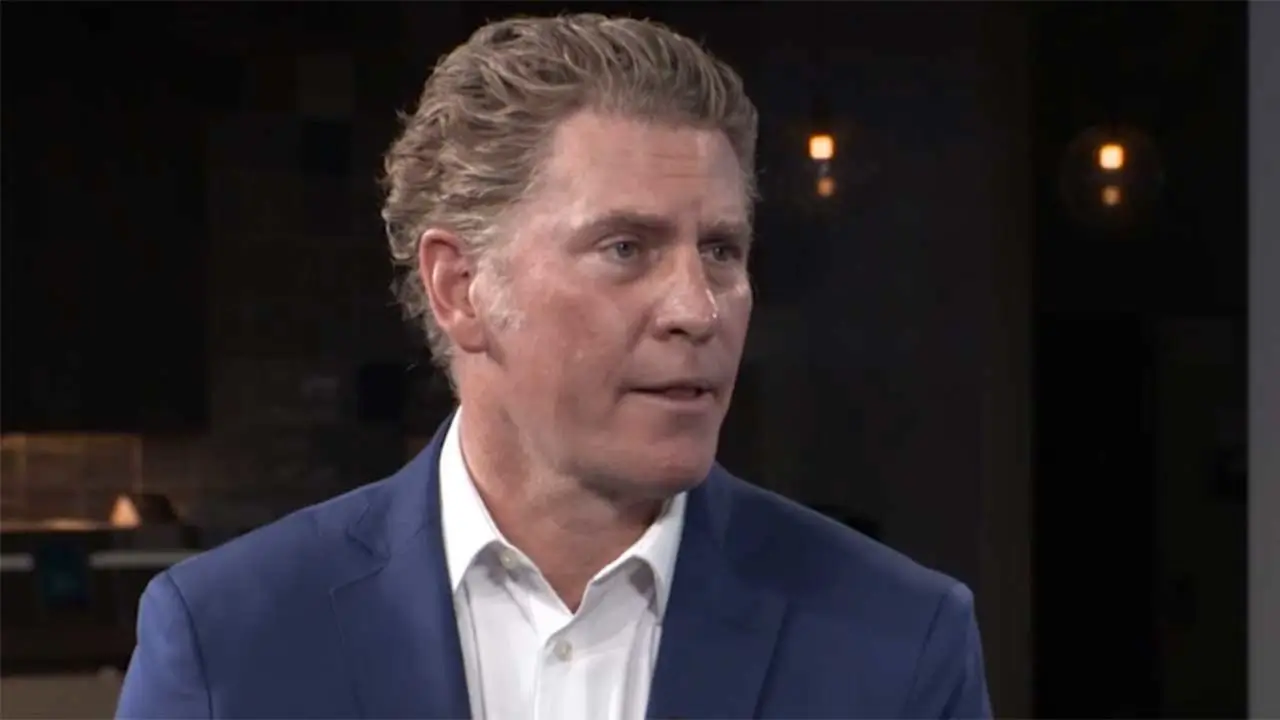
Bo French has become a prominent and highly controversial figure in Texas Republican politics, moving from local party leadership and an energy-sector career into one of the state’s most closely watched political races. His name gained national attention not simply because of his campaign for the Texas Railroad Commission, but also because of his outspoken positions on immigration, Islam, diversity policies, energy regulation, and foreign influence. In May 2026, French defeated incumbent Jim Wright in the Republican runoff for a seat on the three-member commission, putting him on the ballot for the November general election.
Understanding Bo French requires looking beyond the latest political controversy. His background is closely connected to Texas oil country, energy trading, ranching, security businesses, and Republican Party activism. He grew up in Midland and has described himself as coming from an oil-industry family. His professional history and political messaging have helped him appeal to voters who favor a more aggressive, conservative approach to Texas energy policy. At the same time, his public statements have generated criticism from Democrats, Republicans, civil-rights advocates, and others who argue that his rhetoric crosses important lines.
Who Is Bo French?
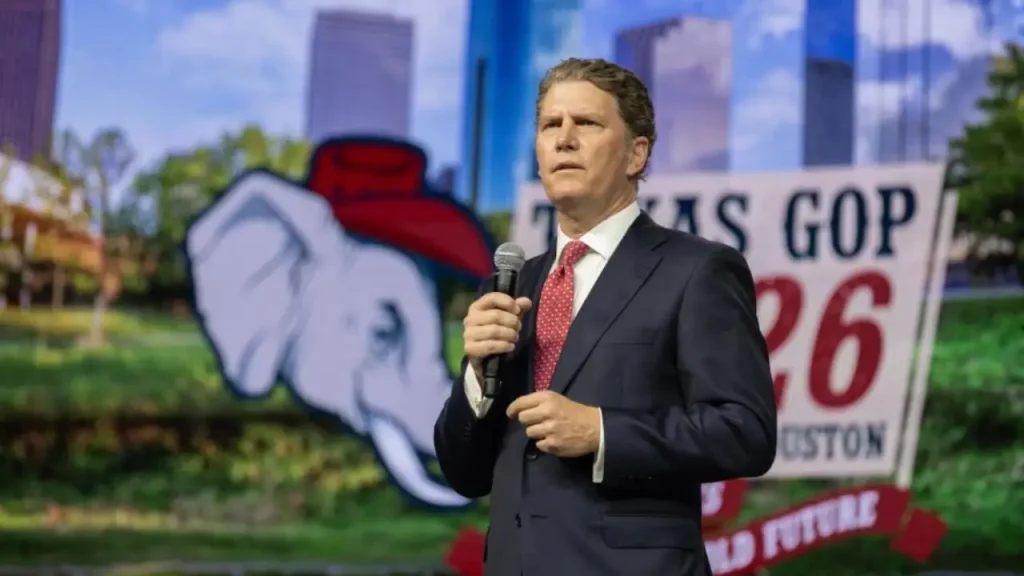
Bo French is a Texas Republican political activist and businessman who rose to wider prominence through his leadership of the Tarrant County Republican Party. He became chairman of the county party in 2023 and remained in that position until stepping aside to pursue his Railroad Commission campaign. Before his political career became the center of public attention, French developed a professional background tied to energy and business. Public profiles describe him as an energy trader, investor, rancher, mineral owner, and business operator.
His education also reflects a Texas-centered background. French attended the New Mexico Military Institute before studying at Texas Christian University, where he earned a bachelor’s degree in history in 1993. His professional résumé includes years as an energy trader and investment manager, while his campaign biography also emphasizes ranching and work connected with security services for energy companies. Those experiences form a major part of the argument he makes about his suitability for a position overseeing one of the most consequential industries in Texas.
French’s connection to the energy industry is particularly relevant because the Texas Railroad Commission is not primarily about railroads anymore. The agency regulates the state’s oil and natural gas industry, including areas involving drilling, production, pipelines, and related oversight. That makes the commission an influential institution in a state where energy remains central to the economy and political identity.
Bo French’s Political Career and Rise in Texas
French’s path into statewide politics was not a sudden development. Before winning the Republican nomination for Railroad Commissioner, he had already built a profile within conservative Texas politics. He ran unsuccessfully for the Texas House in previous election cycles and later became chairman of the Tarrant County Republican Party. That local leadership role gave him a platform within one of the state’s politically important counties and helped him establish relationships with conservative activists and voters.
His decision to run for Railroad Commissioner created a particularly competitive Republican contest. French challenged incumbent Jim Wright, who had support from major oil and gas interests and backing from Gov. Greg Abbott. The March 2026 Republican primary ended without either candidate securing enough support to avoid a runoff. French ultimately defeated Wright in the May 26 runoff, producing a significant upset and securing the Republican nomination.
The result was notable because Wright entered the race with the advantages of incumbency and established relationships in the energy sector. French, however, presented himself as a candidate willing to challenge what he viewed as excessive regulation and entrenched political interests. His campaign focused heavily on conservative cultural issues alongside energy policy, giving the race a broader political character than a conventional regulatory contest.
From County Politics to Statewide Attention
French’s time as Tarrant County GOP chairman helped make him a recognizable figure among Texas conservatives. However, it also brought controversy. His public statements on religion, immigration, diversity, and other cultural issues attracted criticism, and his political style became a defining feature of his public image.
| Field | Details |
|---|---|
| Focus Keyword | bo french |
| SEO Title | Bo French: Background, Politics and 2026 Texas Race |
| Meta Title | Bo French: Background, Politics and 2026 Texas Race |
| Meta Description | Bo French is a Texas Republican candidate for Railroad Commissioner, known for his energy agenda and political career. |
| Slug | bo-french |
| Category | News |
| Article Topic | Bo French’s political career, energy policies, controversies, and 2026 Texas Railroad Commission race |
That combination of political activism and controversy has followed him into the Railroad Commission campaign. Supporters see his willingness to challenge established political positions as evidence that he is prepared to confront powerful institutions. Critics see the same behavior as unnecessarily divisive. Either way, his political career demonstrates how cultural issues can become intertwined with debates about energy and state regulation.
Bo French’s Energy and Railroad Commission Agenda
Energy policy is at the center of French’s campaign because the Railroad Commission plays a major role in regulating Texas oil and gas. His professional history in energy trading and his upbringing in an oil-producing region provide the foundation for his argument that he understands the industry’s challenges. His campaign has emphasized reducing what he considers unnecessary regulation and limiting government interference with oil and gas operators.
One of the broader debates surrounding French involves how Texas should balance energy production with environmental protection and regulatory oversight. The Railroad Commission faces questions involving oil and gas wells, production practices, waste, pipelines, enforcement, and public safety. Different parts of the industry do not always agree about the appropriate level of regulation. The 2026 Republican runoff reflected some of these divisions, particularly around regulations affecting oilfield waste and smaller producers.
French has positioned himself toward the less-regulation side of that debate. His campaign has argued for reducing what he describes as bureaucratic restrictions and resisting policies that could make it harder for Texas producers to operate. Supporters of this approach say excessive regulation can increase costs, discourage investment, and disproportionately hurt smaller operators.
Critics counter that regulation exists for reasons that extend beyond business costs. Oil and gas activity can affect groundwater, land, air quality, worker safety, and surrounding communities. From that perspective, the Railroad Commission’s challenge is not simply to encourage production but to make sure production takes place under rules that protect public interests.
Foreign Influence and Energy Security
Another major element of French’s platform involves foreign ownership and foreign influence in the Texas energy sector. His campaign has promoted stronger restrictions and screening related to foreign entities, particularly countries he considers potential security threats. His stated priorities include addressing perceived Chinese Communist Party influence and expanding restrictions associated with Texas laws concerning foreign land ownership.
French has also made controversial proposals involving Muslim-majority countries. In April 2026, his campaign announced a proposal to expand Texas restrictions on certain foreign land purchases to include Muslim-majority countries, arguing that such countries could influence the state’s oil and gas industry.
That position has become one of the most disputed aspects of his platform. Supporters may frame foreign-ownership restrictions as a matter of national or state security, while critics argue that broad policies based on nationality or religion risk unfairly targeting entire populations. The debate illustrates the tension between legitimate concerns about foreign influence and the need for laws to distinguish specific security risks from sweeping assumptions about people based on their background.
Bo French and the Controversies Surrounding Him
Bo French‘s political reputation cannot be separated from his controversial public statements. During his time in Republican politics, he made remarks about Muslims, diversity initiatives, and LGBTQ Texans that generated strong criticism. Texas Standard reported that French had spoken in favor of banning Islam in Texas and described the religion in political rather than purely religious terms.
His comments have prompted criticism from members of his own political party as well as opponents. The controversy is significant because French is not simply a private political commentator. After winning the Republican nomination, he became the party’s candidate for one of the state’s three Railroad Commission seats, giving his statements greater political weight.
The controversy surrounding his rhetoric also illustrates a larger transformation within Texas Republican politics. Cultural issues have become increasingly connected to debates over education, immigration, foreign ownership, diversity policies, and national identity. French has embraced many of these subjects rather than treating the Railroad Commission campaign as a narrowly technical discussion about oil and gas.
The Debate Over His Public Statements
Supporters argue that French speaks plainly about issues they believe other politicians avoid. His political identity is built around confronting what he sees as threats to Texas sovereignty, energy independence, and conservative values. That direct approach has helped him develop a loyal base among some Republican voters.
Critics see the situation differently. They argue that some of his statements contribute to religious and racial hostility and distract from the practical responsibilities of the Railroad Commission. The disagreement is therefore not only about individual comments. It is also about what voters expect from public officials and how political candidates should discuss complicated subjects involving religion, immigration, race, and national security.
A particularly important distinction is between policy disagreement and rhetoric. A candidate can legitimately argue for tighter foreign-ownership rules, stronger border enforcement, or changes to energy regulation. The harder question is whether those arguments are framed around specific evidence and narrowly defined policies or generalized claims about entire groups of people. That distinction will likely remain part of the discussion surrounding French throughout the 2026 campaign.
What Bo French’s 2026 Race Means for Texas
French’s Republican nomination places him in the general election for Railroad Commissioner, where he is scheduled to face Democratic nominee Jon Rosenthal, a Houston Democrat and oil and gas engineer. The November contest gives Texas voters a choice between competing approaches to energy regulation and state government.
The race also matters because the Railroad Commission has influence far beyond its historic name. Texas remains one of the world’s major energy-producing regions, and decisions made by the commission can affect producers, landowners, workers, communities, and consumers. A commissioner can therefore influence the regulatory environment surrounding an industry that has enormous economic and political significance.
French’s candidacy raises several questions for voters. Should the commission prioritize fewer regulations and faster industry activity? How aggressively should Texas enforce rules involving environmental and public safety concerns? How should the state respond to foreign ownership of energy-related assets? And how much should cultural issues influence a race for a regulatory office?
These questions make the 2026 election more complicated than a simple contest between two political parties. They involve the future direction of Texas energy policy and the broader political identity of the state.
A Candidate With a Distinct Political Identity
One reason French has attracted so much attention is that his political identity is unusually clear. He does not present himself as a moderate candidate trying to appeal equally to every faction. His campaign emphasizes conservative priorities, energy production, restrictions on foreign influence, and opposition to diversity-based policies.
That clarity can be politically powerful, particularly in a primary where motivated voters often have a major influence on the outcome. But statewide elections are different. A general-election candidate must appeal to a much broader electorate, including voters who may agree with some policies while strongly rejecting others.
For French, that creates both an opportunity and a challenge. His strong conservative identity helped him defeat an incumbent in the Republican runoff. The same identity may become a central issue for voters who are less interested in cultural confrontation and more focused on energy prices, environmental protection, economic stability, and effective government.
Bo French’s Broader Significance in Texas Politics
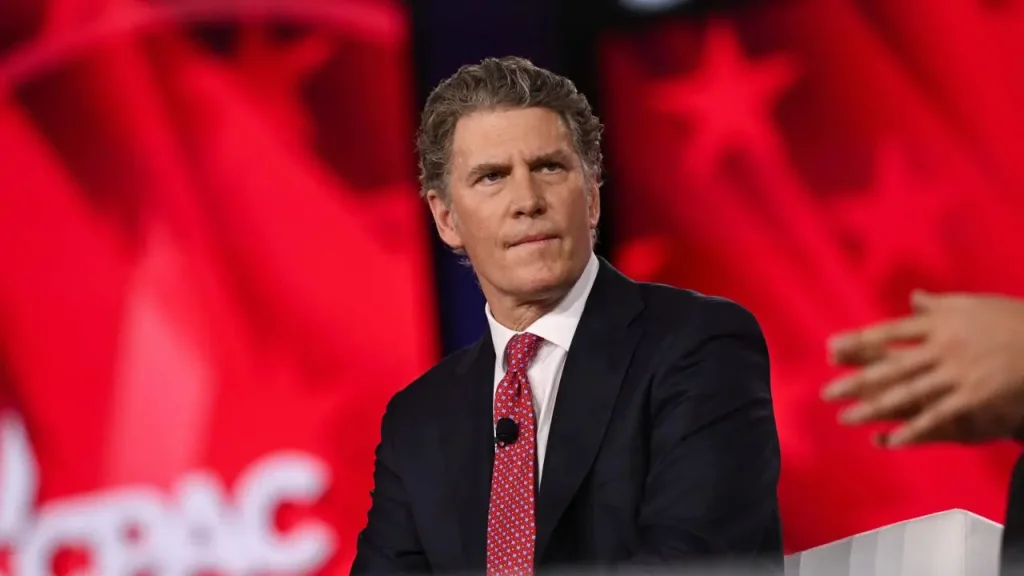
The rise of Bo French reflects a larger debate within Texas conservatism over what Republican politics should emphasize. Traditional energy politics often centered on production, regulation, taxes, infrastructure, and relationships with the oil industry. French’s campaign adds a much stronger cultural and national-security component to that conversation.
His background also illustrates how local political activism can lead to statewide influence. French moved from county party leadership to a competitive statewide primary and defeated an incumbent with established institutional support. That progression demonstrates the power of grassroots conservative organizing and the continuing importance of primary elections in Texas politics.
At the same time, his candidacy raises questions about the role of rhetoric in public life. Political candidates have broad freedom to express strong opinions, but controversial statements can become central to how voters evaluate their judgment. French’s campaign therefore presents a useful case study in the relationship between political identity, policy priorities, public controversy, and electoral success.
His supporters are likely to focus on his energy experience, conservative agenda, and willingness to challenge established political structures. His opponents are likely to emphasize his inflammatory comments and question whether his approach is appropriate for a regulatory office. The November election will give voters the opportunity to weigh those competing arguments.
Conclusion
Bo French has emerged as one of the more distinctive and controversial figures in the 2026 Texas political landscape. His background in energy trading, investment, ranching, and security businesses gives him a professional connection to the industries affected by the Railroad Commission. His previous leadership of the Tarrant County Republican Party gave him a political base, while his successful challenge to incumbent Jim Wright transformed him into the Republican nominee for a statewide office.
His campaign is built around a combination of energy policy, conservative government, foreign-influence concerns, and cultural issues. That combination has attracted strong support from some voters while producing equally strong criticism from others. His public statements, particularly those concerning Muslims, diversity, and other social issues, have become a significant part of the debate over his candidacy.
The most important question now is how Texas voters will evaluate the balance between French’s professional energy background, his policy proposals, and his controversial political rhetoric. Whatever the result of the general election, Bo French’s rise has already demonstrated how dramatically Texas politics can change when energy policy and cultural politics collide.
Frequently Asked Questions About Bo French
1. Who is Bo French?
Bo French is a Texas Republican politician, businessman, and former chairman of the Tarrant County Republican Party. He became the Republican nominee for a Texas Railroad Commission seat after defeating incumbent Jim Wright in the May 2026 Republican runoff.
2. What is Bo French running for?
Bo French is running for a seat on the Texas Railroad Commission in the 2026 general election. The commission regulates Texas’s oil and natural gas industry and has three elected commissioners.
3. When did Bo French become the Republican nominee?
French won the Republican runoff on May 26, 2026, defeating incumbent Railroad Commissioner Jim Wright. His victory secured the Republican nomination for the November general election.
4. What is Bo French’s professional background?
French has worked in the energy and investment sectors and has described himself as an energy trader, rancher, mineral owner, and businessman. His campaign also highlights experience operating security businesses connected to energy companies.
5. Where did Bo French go to college?
French attended Texas Christian University, where he earned a bachelor’s degree in history in 1993. His education also included time at the New Mexico Military Institute.
6. What does the Texas Railroad Commission do?
Despite its name, the Texas Railroad Commission no longer regulates the state’s railroads. Its primary responsibilities involve the regulation and oversight of Texas’s oil and natural gas industry.
7. What are Bo French’s main political priorities?
French has emphasized reducing regulation affecting the oil and gas industry, opposing diversity-based policies, addressing foreign influence in the energy sector, and strengthening restrictions related to foreign ownership.
8. Why has Bo French been controversial?
French has attracted criticism for public statements concerning Muslims, diversity initiatives, LGBTQ Texans, and other cultural issues. Several of his comments have drawn criticism from political opponents and members of the Republican establishment.
9. Who is Bo French facing in the general election?
French is expected to face Democratic nominee Jon Rosenthal in the November 2026 general election for the Railroad Commission seat. Rosenthal is a Houston Democrat with experience as an oil and gas engineer.
10. Why is Bo French’s campaign important?
French’s campaign is significant because the Railroad Commission has substantial influence over Texas’s enormous oil and gas industry. His candidacy also reflects broader debates within Texas Republican politics over regulation, energy policy, foreign influence, immigration, and cultural issues.
