


Introduction
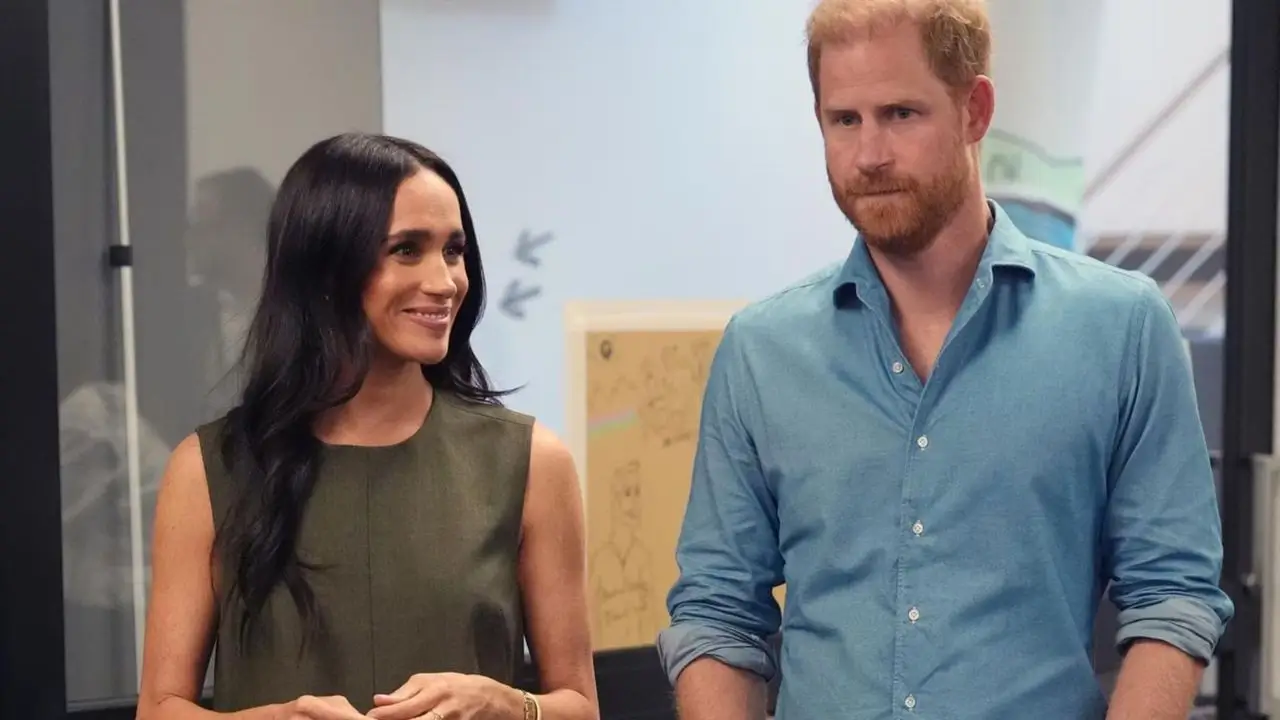
Prinz Harry has lived a life that has rarely been separated from public attention. Born into one of the world’s most recognizable royal families, he grew up surrounded by ceremony, tradition, privilege, and intense media scrutiny. Yet his story has also been marked by personal loss, military service, charitable work, marriage, fatherhood, and a dramatic change in his relationship with the British royal institution.
As the younger son of King Charles III and the late Diana, Princess of Wales, Harry occupied a distinctive position within the royal family. He was close enough to the center of the monarchy to attract enormous attention, but for many years he was also regarded as the more informal and adventurous member of the family. His military career, public appearances, charitable projects, and relaxed personality helped create an image that was very different from the traditional royal stereotype.
That image changed significantly after his marriage to Meghan Markle and the couple’s decision to step back from their roles as senior working royals. Their move to North America opened a new chapter, bringing greater independence but also new controversies and highly public discussions about family relationships, privacy, and the responsibilities that come with being born into the British monarchy.
Understanding Prinz Harry requires looking beyond headlines. His story is shaped by several different identities: prince, son, brother, husband, father, veteran, philanthropist, and public figure. Each has influenced the decisions that have defined his adult life.
Early Life and Growing Up in the Royal Family
Prince Henry Charles Albert David was born on September 15, 1984, at St Mary’s Hospital in London. He was the second son of Charles, then Prince of Wales, and Diana, Princess of Wales. His older brother, Prince William, was already an important figure in the line of succession, while Harry was positioned further behind him. This difference would become significant as both brothers grew older and began developing their own roles within the royal family.
Harry’s childhood was unusual even by royal standards. His parents’ relationship was heavily covered by the press, and the breakdown of their marriage became a major public story. Harry and William experienced the consequences of living within an intensely scrutinized family while their mother attempted to give them as normal a childhood as possible. Diana was known for taking her sons outside the formal royal environment, introducing them to experiences that exposed them to people and circumstances beyond palace life.
The death of Diana in a Paris car crash in August 1997 profoundly changed Harry’s life. He was only 12 years old. The image of the two young princes walking behind their mother’s funeral procession became one of the most recognizable moments in modern British history. Harry later spoke publicly about the emotional impact of losing his mother and the difficulty of processing grief while being watched by millions of people.
A Childhood Shaped by Public Attention
The experience of being photographed and discussed from childhood created a complicated relationship between Harry and the media. Royal children have traditionally had limited privacy, but the newspaper culture of the 1990s was particularly aggressive. Harry’s later concerns about press intrusion cannot be separated from his childhood experiences.
At the same time, he developed a reputation for being more spontaneous than his older brother. Harry was frequently portrayed as the rebellious younger prince, someone who enjoyed sport, adventure, and a less formal lifestyle. Some of that image reflected his personality, while some was undoubtedly created by the media’s desire for contrasting characters within the royal family.
As he moved toward adulthood, Harry gradually began building an identity of his own. He attended Eton College, followed a path into military service, and increasingly took on responsibilities associated with public life. His early years therefore laid the foundation for both his popularity and his later disagreements with the institution in which he had been raised.
Military Career and the Development of a Public Role
One of the most defining chapters of Harry’s adult life was his military career. He entered the Royal Military Academy Sandhurst and was commissioned as an officer in the British Army. His time in the military provided something that royal life could not easily provide: a structured environment in which he was expected to perform according to the same demanding standards as other service personnel.
| Section | Details |
|---|---|
| SEO Title | Prinz Harry: His Life, Royal Journey, Family, and Changing Role |
| Meta Title | Prinz Harry: Royal Life, Family, Biography and Latest Journey |
| Meta Description | Prinz Harry’s life, royal upbringing, marriage, family relationships, public role, and journey beyond the traditional British monarchy. |
| Slug | prinz-harry |
| Main Topic | Prinz Harry |
| Category | Celebrity |
| H2 Sections | Early Life, Military Career, Marriage to Meghan Markle, Family Relationships, Philanthropy & Life Today |
| FAQs | 10 |
| Language | English |
Harry served with the British Army for approximately a decade, eventually reaching the rank of Captain. He served in Afghanistan on two occasions. His military experience became central to his public identity and helped establish a reputation that was considerably more serious than the carefree image often associated with his younger years.
Military service also exposed Harry to the realities faced by service members and veterans. The experience influenced his later charitable work, particularly his interest in supporting wounded, injured, and sick military personnel and veterans. Rather than treating his military career simply as an episode of royal duty, Harry incorporated it into a longer-term commitment to the armed forces community.
From Soldier to Advocate
Harry’s involvement with veterans became especially visible through the creation of the Invictus Games. Launched in 2014, the international sporting event gives wounded, injured, and sick service personnel and veterans an opportunity to compete in adaptive sports. The project became one of Harry’s most significant public initiatives.
The Invictus Games also changed how Harry presented himself to the public. Instead of appearing primarily as a member of the royal family attending official engagements, he became an advocate with a specific cause. The competitors and their stories often became the focus of the events, allowing Harry to use his position to draw attention to resilience, rehabilitation, and the challenges experienced by military communities.
His military background remains important to understanding his later work. It provided him with personal experience that could not be replicated through ceremonial royal duties. It also gave him a connection with people whose lives were dramatically different from his own, while teaching him discipline, teamwork, and responsibility.
Marriage to Meghan Markle and a Major Turning Point
Harry’s relationship with American actress Meghan Markle introduced another major transformation. The couple met in 2016 and their relationship quickly attracted enormous international interest. Meghan came from outside the traditional British aristocratic and royal environment, and her career as an actress meant that she was already familiar with public attention.
They married at St George’s Chapel, Windsor Castle, in May 2018. The wedding attracted a huge global audience and represented a modern image of the monarchy. Meghan’s biracial background, American upbringing, and professional career brought a different perspective to the royal family, while Harry appeared increasingly determined to build a family life that offered greater independence from the intense scrutiny he had experienced since childhood.
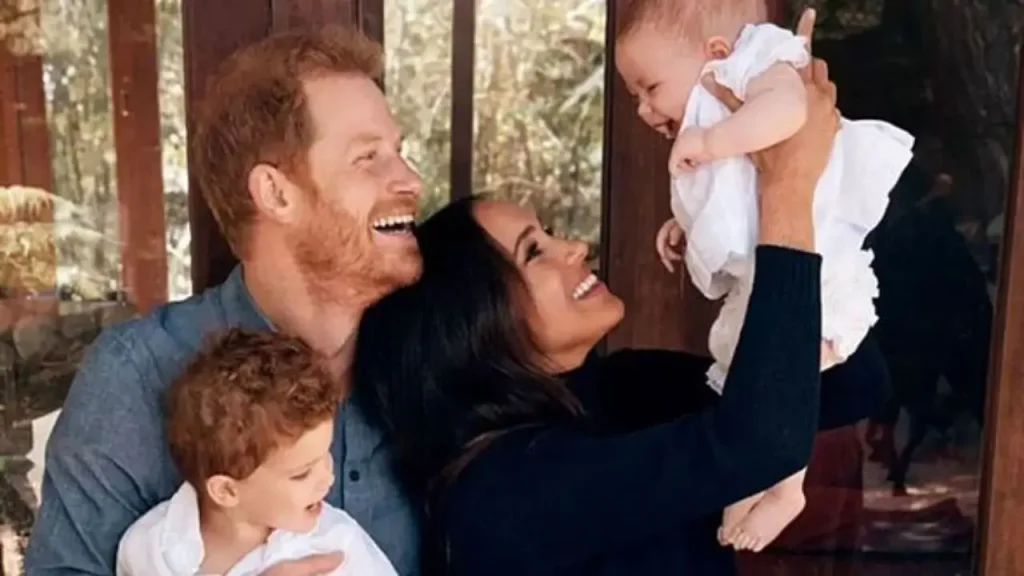
Their first child, Prince Archie of Sussex, was born in 2019, followed by their daughter, Princess Lilibet of Sussex, in 2021. Parenthood became another central part of Harry’s identity. His public comments about family and privacy increasingly reflected his desire to protect his children from the pressures that had affected his own childhood.
Stepping Back From Senior Royal Duties
The most dramatic change came in 2020, when Harry and Meghan announced that they intended to step back as senior working members of the royal family. They subsequently relocated to North America and began developing an independent professional and philanthropic life.
The decision was unprecedented in the modern history of the British monarchy. Members of the royal family have occasionally withdrawn from public duties, but Harry and Meghan’s move involved establishing a life outside the United Kingdom while retaining their connection to the royal family.
Their decision generated intense debate. Supporters argued that the couple needed independence and greater control over their lives. Critics believed that their position was incompatible with the responsibilities and privileges associated with being members of the royal family. The disagreement became part of a much larger conversation about monarchy, celebrity culture, privacy, and the relationship between public figures and the press.
Family Relationships, Public Disputes, and Life Away From Britain
Harry’s relationship with his family has become one of the most closely discussed aspects of his life. His relationship with his father, King Charles III, and his brother, Prince William, has received particular attention. Public disagreements, interviews, documentaries, and Harry’s memoir have all contributed to a perception of significant tension within the family.
His memoir, Spare, published in 2023, offered Harry’s most detailed account of his experiences inside the royal family. The book discussed his childhood, his mother’s death, his relationship with William, his military experiences, his marriage, and his changing understanding of royal life. It became an international bestseller and generated extensive media discussion.
The significance of Spare goes beyond the revelations themselves. Royal families traditionally operate within a culture of discretion, and senior members rarely provide detailed personal accounts of internal disagreements. Harry’s willingness to discuss private experiences therefore represented a dramatic departure from conventional royal practice.
The Question of Privacy
Privacy has been one of the central themes of Harry’s post-royal life. His criticism of sections of the British press has been linked to his childhood experiences and his belief that intrusive journalism contributed to serious consequences for his family.
His legal battles involving newspapers have further demonstrated how strongly he feels about the issue. For Harry, media scrutiny is not simply an unavoidable inconvenience of being famous. He has repeatedly presented it as an issue with personal and family consequences.
At the same time, Harry and Meghan have continued to participate in interviews, documentaries, public projects, and commercial ventures. That has created a complicated public discussion: how can someone seek privacy while remaining a prominent public figure? The answer is not straightforward. There is a meaningful distinction between controlling personal information and disappearing entirely from public life, and Harry’s approach has increasingly focused on the former.
Life in the United States has allowed Harry and his family to establish a household away from the daily routine of the British monarchy. California has also placed him in an environment where entertainment, technology, philanthropy, and celebrity culture overlap. This has opened opportunities that would have been difficult to pursue while serving as a senior working royal.
Philanthropy, Mental Health, and Harry’s Life Today
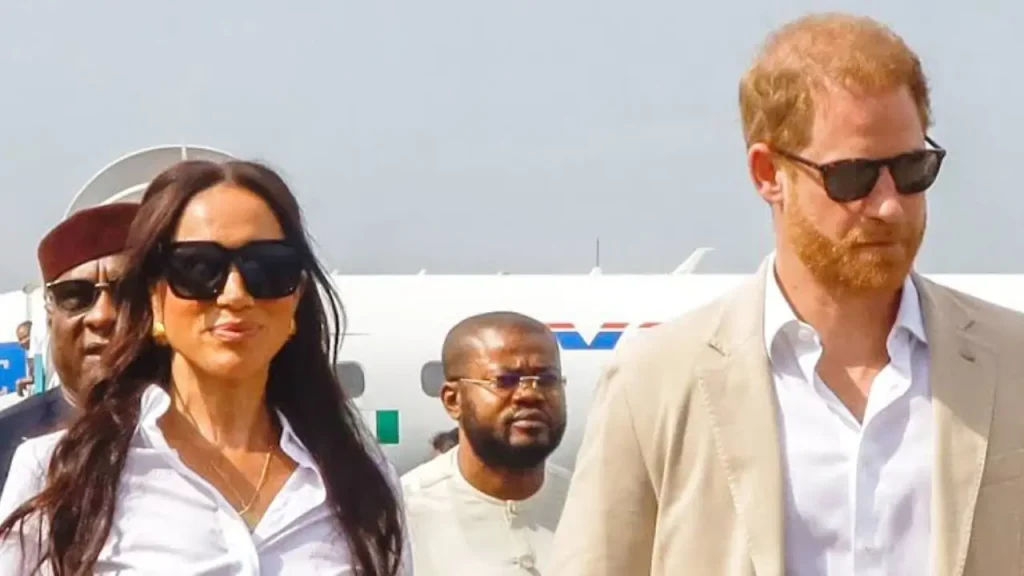
Harry’s public work after stepping away from royal duties has continued to revolve around causes that have personal meaning for him. Veterans’ welfare remains an important area through the Invictus Games, while mental health has also become a major theme in his public advocacy.
His interest in mental health is partly connected to his own experiences with grief and the pressures of growing up under constant public scrutiny. Through interviews and public initiatives, he has encouraged people to discuss emotional difficulties rather than treating them as weaknesses.
Harry’s approach has helped broaden conversations about mental health among public figures. Royal culture historically emphasized restraint and composure, whereas Harry has frequently spoken about emotions, therapy, grief, and personal struggles. That openness has attracted both praise and criticism, but it has undeniably made these subjects part of his public identity.
Building a Different Kind of Royal Legacy
Harry’s post-royal life is not easily categorized. He is no longer performing the same official duties he once carried out on behalf of the monarchy, yet his title, family background, and global recognition remain central to how the public understands him.
His work through charitable initiatives demonstrates that stepping away from the institution did not mean abandoning public service altogether. Instead, Harry has attempted to choose causes and projects according to his own priorities. That independence has allowed him to explore documentary production, writing, philanthropy, and advocacy.
The long-term question is what kind of legacy Harry will leave. He is unlikely to be remembered simply as the younger son of a king. His military service, Invictus Games, marriage, family life, media disputes, and departure from royal duties have created a story that is considerably more complicated.
For supporters, Harry represents a member of the royal family who challenged traditions that no longer suited his life. For critics, his public revelations have caused unnecessary damage to family relationships and the institution he once represented. Both interpretations form part of the wider discussion surrounding him.
Conclusion
Prinz Harry‘s life has been shaped by an unusual combination of privilege and pressure. From his childhood as Diana’s younger son to his years in the military, marriage to Meghan Markle, transition away from royal duties, and independent public work, his path has repeatedly challenged expectations.
What makes Harry’s story particularly compelling is the tension between his birthright and his desire for personal control. He inherited a globally recognized title, but he has also spent much of his adult life trying to determine what that title should mean to him. His experiences with grief, military service, family conflict, fatherhood, and public scrutiny have all influenced that process.
Whether viewed as a controversial royal, a dedicated veteran advocate, a husband and father protecting his family, or a man attempting to redefine his place in a centuries-old institution, Harry remains one of the most closely watched members of the British royal family. His future will likely continue to attract attention, but his greatest influence may ultimately come from the causes and personal experiences he has chosen to place at the center of his life.
10 Frequently Asked Questions About Prinz Harry
1. Who is Prinz Harry?
Prinz Harry, whose full name is Prince Henry Charles Albert David, is the younger son of King Charles III and Diana, Princess of Wales. He was born in 1984 and is a member of the British royal family.
2. When was Prinz Harry born?
Prince Harry was born on September 15, 1984, at St Mary’s Hospital in London.
3. Who is Prinz Harry’s wife?
Harry is married to Meghan Markle, an American actress and former member of the senior British royal family. They married in May 2018.
4. Does Prinz Harry have children?
Yes. Harry and Meghan have two children, Prince Archie of Sussex and Princess Lilibet of Sussex.
5. Did Prinz Harry serve in the military?
Yes. Harry served in the British Army for around ten years and completed two tours in Afghanistan. He reached the rank of Captain.
6. What are the Invictus Games?
The Invictus Games are an international sporting event for wounded, injured, and sick service personnel and veterans. Harry helped establish the event in 2014.
7. Why did Prinz Harry leave royal duties?
Harry and Meghan stepped back as senior working members of the royal family in 2020. They subsequently moved to North America and pursued an independent professional and charitable life.
8. Where does Prinz Harry live?
Harry and his immediate family have established their home in California, United States, after relocating from the United Kingdom.
9. What is Harry’s book Spare about?
Spare is Harry’s memoir, published in 2023. It discusses his childhood, his mother’s death, military career, family relationships, marriage, and experiences within the royal family.
10. Is Prinz Harry still a member of the royal family?
Harry remains a member of the British royal family by birth and retains his royal title, but he no longer carries out the official senior working-royal duties he performed before stepping back in 2020
