


Introduction
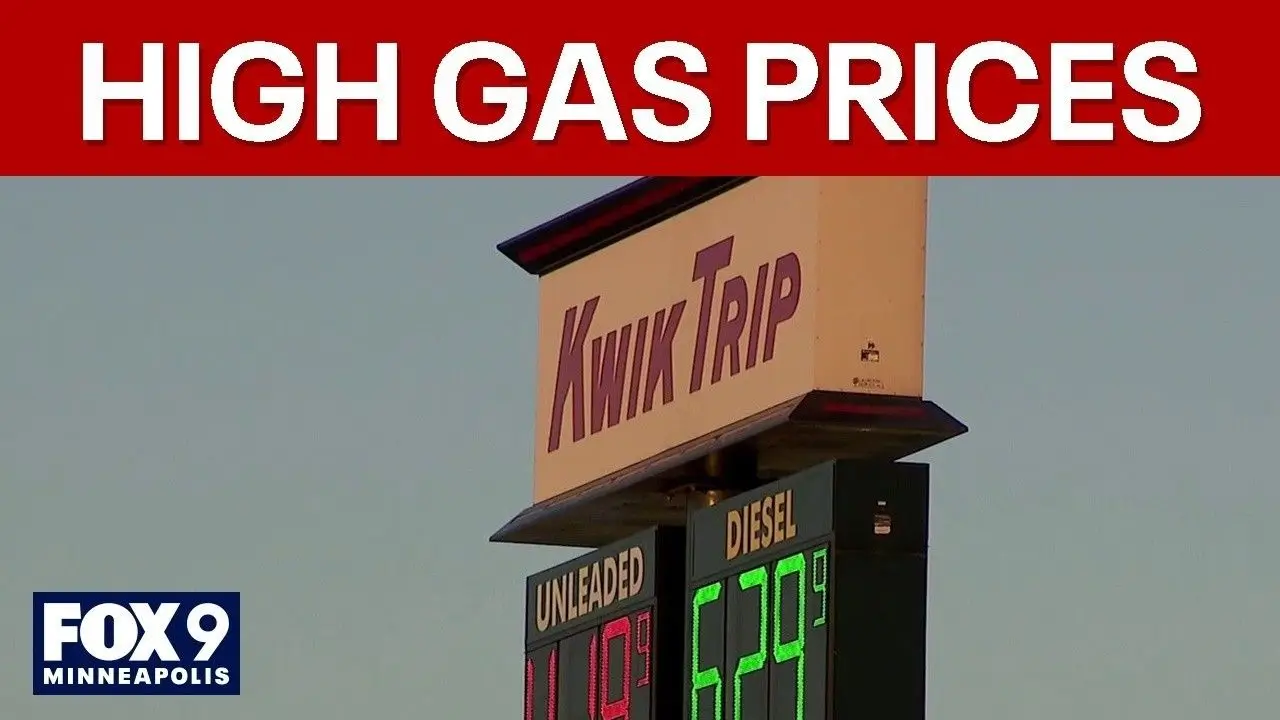
A trip to the gas station can sometimes feel like checking a financial market. One week, filling a vehicle may seem manageable; the next, the same tank costs noticeably more. Gas prices influence far more than the amount drivers pay at the pump. They affect household budgets, transportation costs, food prices, business expenses, and even the broader economy.
Fuel prices can change for several reasons, and the explanation is rarely as simple as supply and demand alone. Crude oil markets, refinery capacity, seasonal driving patterns, transportation costs, taxes, weather disruptions, geopolitical developments, and currency movements can all play a role. A change in one part of this chain can eventually appear on a roadside price sign thousands of miles away.
Understanding how gas prices work makes sudden increases and decreases easier to interpret. It also helps consumers distinguish between temporary market movements and longer-lasting changes. Whether prices are climbing because crude oil has become more expensive or falling because supplies have improved, the factors behind the number at the pump tell a much bigger story.
What Determines Gas Prices?
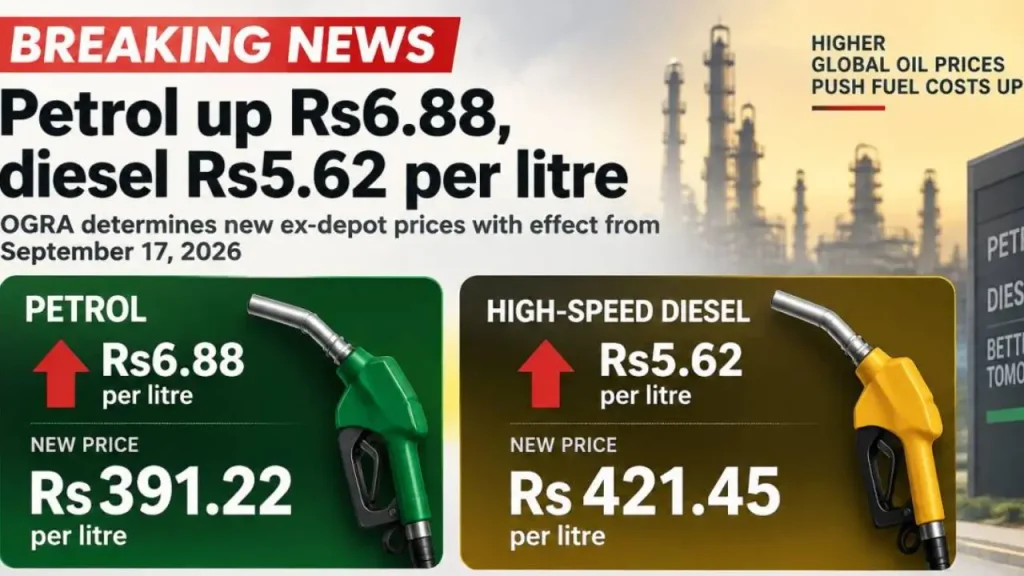
The price drivers see at a gas station is the final result of several stages in the fuel supply chain. The process begins with crude oil, which is extracted and then transported to refineries. Refineries turn crude oil into gasoline, diesel, jet fuel, and other petroleum products. After refining, gasoline moves through pipelines, ships, trucks, and storage facilities before reaching individual stations.
Crude oil generally represents one of the largest components of the retail gasoline price. When crude oil becomes more expensive, refiners typically face higher input costs. Those costs can eventually move through the supply chain and reach consumers. However, the relationship is not perfectly immediate. Retail prices can respond with a delay because companies may be selling fuel purchased under earlier market conditions.
The Role of Refining Costs
Refining is another major piece of the puzzle. A refinery needs to process crude oil and produce gasoline that meets specific fuel standards. Refineries require significant capital, energy, labor, maintenance, and transportation resources. When refining capacity is reduced because of planned maintenance, unexpected breakdowns, or other disruptions, gasoline supplies can tighten.
This becomes especially noticeable when demand is strong. Even if crude oil supplies remain adequate, a shortage of available refining capacity can push gasoline prices higher. Regional differences can also emerge because fuel markets are not completely interchangeable. Certain areas depend heavily on particular refineries, pipelines, ports, or fuel formulations, making local prices more sensitive to disruptions.
Why Gas Prices Rise and Fall
Gas prices move because the balance between fuel supply and consumer demand changes constantly. During periods when many people are driving, demand can increase substantially. Summer travel, holidays, commuting patterns, and economic activity can all influence gasoline consumption. When demand rises while available supply remains limited, prices generally face upward pressure.
Seasonal fuel requirements can add another layer. In some markets, gasoline specifications change during warmer months, partly because of environmental regulations and efforts to reduce certain emissions. Refineries may need to adjust their production accordingly. If the transition coincides with refinery maintenance or supply disruptions, regional prices can react sharply.
Seasonal Driving Patterns
The summer driving season is particularly important in the United States, where road travel tends to increase during warmer months. More recreational travel means more gasoline consumption, and higher demand can influence wholesale markets. The effect varies from year to year because it depends on fuel inventories, refinery operations, crude oil prices, and other market conditions.
Winter can bring a different pattern. Gasoline demand often declines in colder periods, although regional conditions vary. At the same time, petroleum markets shift toward other products and seasonal fuel requirements. These changes demonstrate why gasoline prices cannot be understood by looking at consumer demand alone. Several markets operate simultaneously, and their interactions affect what eventually appears on the pump.
How Global Events Influence Gas Prices
Although drivers purchase fuel locally, petroleum markets are deeply connected to global events. Crude oil is traded internationally, meaning political instability, production decisions, sanctions, shipping disruptions, and unexpected supply interruptions can affect prices far beyond the location where an event occurs.
| Factor | How It Affects Gas Prices | Typical Impact |
|---|---|---|
| Crude Oil Prices | Higher crude oil costs increase the cost of producing gasoline. | High |
| Refinery Operations | Refinery shutdowns, maintenance, or limited capacity can reduce gasoline supplies. | High |
| Consumer Demand | More driving can increase demand and put upward pressure on prices. | Moderate to High |
| Seasonal Changes | Summer travel and seasonal fuel requirements can influence gasoline costs. | Moderate |
| Taxes | Federal, state, or local fuel taxes add directly to the retail price. | Moderate |
| Transportation Costs | Moving crude oil and finished gasoline through pipelines, ships, and trucks adds expense. | Moderate |
| Geopolitical Events | Wars, sanctions, supply disruptions, and international tensions can affect global oil markets. | High |
| Weather | Hurricanes and severe weather can disrupt production, refining, storage, and transportation. | Moderate to High |
| Local Competition | Competition between nearby stations can cause prices to vary within the same area. | Low to Moderate |
| Vehicle Efficiency | More fuel-efficient vehicles reduce the amount consumers need to purchase. | Long-Term Impact |
A major disruption in an oil-producing region can create concern about future supplies even before a physical shortage develops. Traders may respond to expectations, causing crude oil prices to move. Because gasoline is produced from crude oil, changes in the underlying commodity can eventually influence fuel prices for consumers.
Geopolitical Risk and Energy Markets
Wars, international disputes, sanctions, and changes in relationships between major oil-producing countries can create uncertainty in energy markets. Producers may reduce output, exports can become more complicated, or transportation routes can face disruption. Even the possibility of future supply problems can influence market expectations.
Shipping is another important factor. Large quantities of petroleum products and crude oil travel by sea, and disruptions to major maritime routes can increase transportation costs or lengthen delivery times. A market that appears well supplied under normal conditions can become more expensive when transportation becomes slower or more complicated.
At the same time, not every international event causes a lasting increase in gasoline prices. Markets can adjust as alternative supplies become available, production changes, inventories are released, or fears about shortages fade. This is one reason gas prices can rise quickly during a crisis but later retreat when supply conditions stabilize.
The Difference Between Crude Oil Prices and Gas Prices
It is easy to assume that gasoline prices simply follow crude oil prices, but the relationship is more complicated. Crude oil is a major input, yet consumers are also paying for refining, transportation, storage, marketing, taxes, and the operating costs associated with selling fuel.
For example, crude oil prices might decline while gasoline prices remain relatively high if refinery capacity is constrained. Conversely, gasoline prices can sometimes fall even when crude oil prices are relatively stable if refining margins weaken, inventories improve, or demand decreases.
Why Local Prices Differ
Two gas stations in different cities can charge noticeably different prices even on the same day. Location matters because transportation expenses, regional fuel supplies, local competition, taxes, environmental regulations, and refinery access can differ considerably.
Stations also operate under different business models. Some locations have higher property costs or operating expenses, while others compete aggressively on price. A station near a major highway may have different pricing conditions from one in a residential neighborhood. Wholesale fuel contracts can differ as well.
These differences explain why national or international headlines do not always match what a particular driver sees. A fall in crude oil prices does not guarantee that every local station will immediately reduce its price by the same amount.
How Gas Prices Affect the Economy and Households
The most obvious effect of higher gas prices is increased transportation spending. Drivers who commute long distances may feel the change immediately because fuel represents a recurring household expense. Someone who drives only occasionally may barely notice a small increase, while a delivery driver, commuter, taxi operator, or small business dependent on vehicles can face a much larger financial impact.
Fuel costs also influence businesses. Companies that move products by truck, operate vehicle fleets, or depend on transportation services may see their expenses rise when gasoline and diesel become more expensive. Some businesses absorb those costs, while others may eventually adjust their prices.
The Connection to Food and Consumer Prices
Fuel costs can influence the price of goods because products often travel through several stages before reaching consumers. Agricultural equipment, trucks, warehouses, distribution centers, and delivery networks all depend on energy. Higher transportation costs can therefore contribute to broader price pressures.
The effect is not always immediate or proportional. Fuel is only one component of the final price of a product. Labor, raw materials, rent, packaging, financing, and other operating costs also matter. Still, sustained increases in transportation expenses can gradually work their way through supply chains.
Lower gas prices can have the opposite effect. When consumers spend less on fuel, they may have more disposable income available for other purchases. Businesses can also benefit from reduced transportation costs, potentially improving margins or lowering some expenses.
How Consumers Can Manage High Gas Prices
When fuel prices rise, drivers cannot control crude oil markets or refinery capacity, but they can reduce the amount of fuel they consume. Simple habits can make a meaningful difference over time. Keeping tires properly inflated, avoiding unnecessary idling, maintaining the engine, and driving smoothly can help improve fuel efficiency.
Planning trips can also reduce consumption. Combining several errands into one journey is generally more efficient than making multiple separate trips. Choosing routes with less congestion can help as well, since repeated acceleration and braking can increase fuel consumption.
Choosing a More Efficient Vehicle
Vehicle choice has a significant long-term effect on fuel expenses. Smaller vehicles with efficient engines generally consume less gasoline than heavier vehicles with larger engines, although the actual difference depends on driving conditions and vehicle design.
Hybrid and electric vehicles offer additional alternatives. Hybrid vehicles combine an internal-combustion engine with electric assistance and can be particularly efficient in stop-and-go traffic. Fully electric vehicles do not use gasoline, although their overall operating costs depend on electricity prices, charging access, vehicle efficiency, and other factors.
Consumers do not necessarily need to replace a vehicle simply because gasoline prices increase. Buying another vehicle carries its own costs, including financing, depreciation, insurance, maintenance, and taxes. For many households, improving driving habits and maintaining an existing vehicle may be more practical.
What Could Shape Future Gas Prices?
Predicting gas prices precisely is difficult because the market responds to many moving parts. Future prices will depend on crude oil production, refinery capacity, global demand, transportation infrastructure, inventories, economic growth, government policies, and technological changes.
Energy markets are also undergoing a gradual transition. Electric vehicles, hybrids, improved fuel efficiency, alternative fuels, and changing consumer preferences can influence long-term gasoline demand. However, gasoline remains an important transportation fuel in many countries, so changes in consumption are likely to develop over time rather than happen overnight.
Supply, Demand, and Energy Transition
If global oil production expands faster than demand, crude oil markets may face downward pressure. If demand grows faster than available production, the opposite can happen. These basic economic forces remain central even as the energy system becomes more diverse.
Government policy can also affect fuel markets. Taxes, environmental standards, strategic petroleum policies, fuel specifications, and incentives for alternative vehicles can influence both supply and demand. The impact of any individual policy depends on its design, implementation, timing, and the broader market environment.
Technology could become increasingly important as well. More efficient vehicles require less gasoline to travel the same distance, while electric vehicles reduce direct gasoline consumption entirely. At the same time, growing transportation demand in developing economies can support continued oil consumption.
The result is a fuel market likely to remain dynamic. Gas prices will continue responding to immediate events while also being shaped by longer-term changes in transportation and energy consumption.
Understanding Gas Prices Before Making Financial Decisions
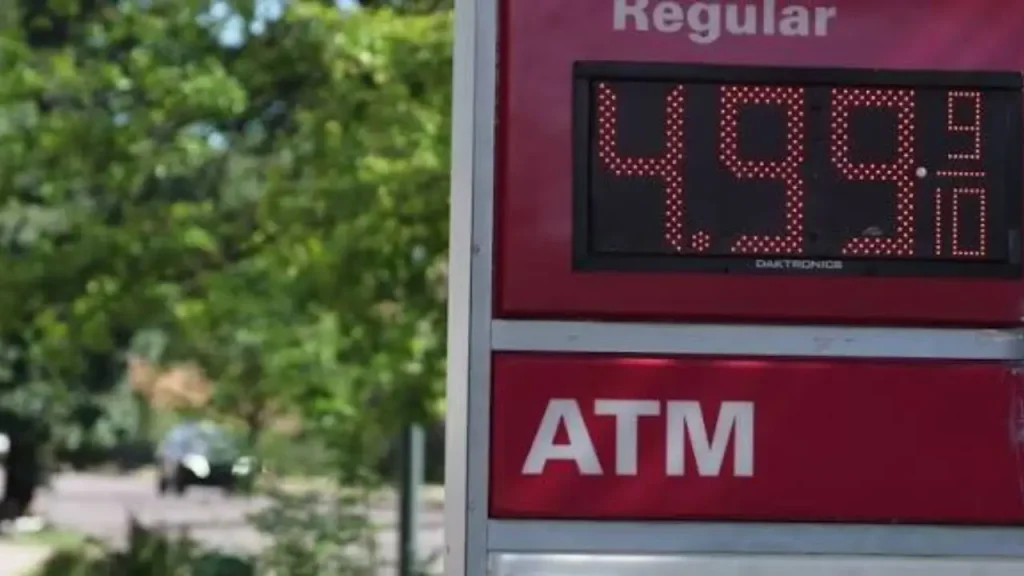
Watching the price displayed at a gas station can create a misleading impression that fuel costs are unpredictable. In reality, gasoline pricing follows identifiable market mechanisms, even though those mechanisms interact in complicated ways.
A useful way to understand the market is to separate short-term movements from long-term trends. A sudden price increase may result from a temporary refinery outage, severe weather event, or disruption in crude oil supplies. A longer-lasting change may reflect structural shifts in production, consumption, taxation, or transportation technology.
Consumers can also look beyond the price per gallon or liter and consider total fuel costs. A vehicle that costs slightly more to operate on every trip can become considerably more expensive over a year, particularly for people who drive long distances. Calculating annual fuel consumption can provide a clearer picture than reacting to individual price changes at the pump.
Conclusion
Gas prices are the visible result of a much larger energy system. Crude oil markets, refinery operations, transportation networks, seasonal demand, taxes, local competition, inventories, and global events all contribute to what drivers ultimately pay.
Prices can rise when supplies tighten or demand increases, but they can also move because markets anticipate future conditions. Likewise, falling crude oil prices do not necessarily translate into an immediate or identical reduction at every gas station.
For consumers, understanding these forces provides useful context. Efficient driving, regular vehicle maintenance, thoughtful trip planning, and careful consideration of fuel consumption can reduce the effect of changing prices on household budgets. Looking further ahead, advances in vehicle efficiency, hybrid technology, and electrification may gradually change the role gasoline plays in transportation.
The number on a gas station sign may change from day to day, but the forces behind it are part of a complex global market. Knowing how those forces connect makes fuel prices easier to understand—and helps consumers make more informed decisions about transportation costs.
10 Frequently Asked Questions About Gas Prices
1. What causes gas prices to increase?
Gas prices can rise because of higher crude oil prices, stronger gasoline demand, refinery disruptions, reduced inventories, transportation problems, taxes, or geopolitical events. Several factors can occur at the same time.
2. Why do gas prices vary from one location to another?
Local prices are affected by taxes, transportation costs, regional fuel supplies, refinery access, competition between stations, operating expenses, and local fuel requirements. As a result, prices can differ significantly between cities or even neighboring areas.
3. Does crude oil determine gas prices?
Crude oil is one of the most important factors influencing gasoline prices, but it is not the only one. Refining costs, distribution, taxes, marketing expenses, and local market conditions also contribute to the final retail price.
4. Why can gas prices rise quickly?
Gasoline markets can react rapidly to disruptions or expectations of supply problems. Changes in crude oil markets, refinery outages, severe weather, or geopolitical developments can cause wholesale prices to move before consumers see the full effect at the pump.
5. Why don’t gas prices always fall immediately when oil prices decline?
Retail gasoline may reflect fuel that was purchased or refined earlier. Refining margins, transportation expenses, inventories, taxes, and local competition can also influence how quickly falling crude oil prices reach consumers.
6. Does weather affect gas prices?
Yes. Hurricanes, floods, extreme temperatures, and other severe weather can disrupt oil production, refineries, pipelines, ports, or transportation networks. Weather can therefore affect both fuel supply and prices.
7. When are gas prices usually highest?
There is no universal date when gas prices are always highest. Prices often respond to seasonal demand, refinery maintenance, crude oil markets, regional supply conditions, and unexpected disruptions. Seasonal patterns can therefore vary by year and location.
8. How can drivers use less gasoline?
Drivers can improve fuel efficiency by maintaining correct tire pressure, avoiding unnecessary idling, accelerating and braking smoothly, reducing unnecessary trips, keeping the vehicle properly maintained, and choosing efficient routes.
9. Do electric vehicles affect gas prices?
Electric vehicles can reduce gasoline demand because they use electricity instead of gasoline for propulsion. As adoption increases, this can influence long-term fuel consumption patterns, although the effect depends on how quickly electric vehicles replace gasoline-powered vehicles and how transportation demand changes.
10. Can anyone accurately predict future gas prices?
Exact prediction is extremely difficult because gasoline prices depend on global oil markets, refinery operations, demand, inventories, weather, transportation, government policies, and unexpected events. Analysts can identify factors that may influence prices, but future market conditions can change quickly
