


Introduction
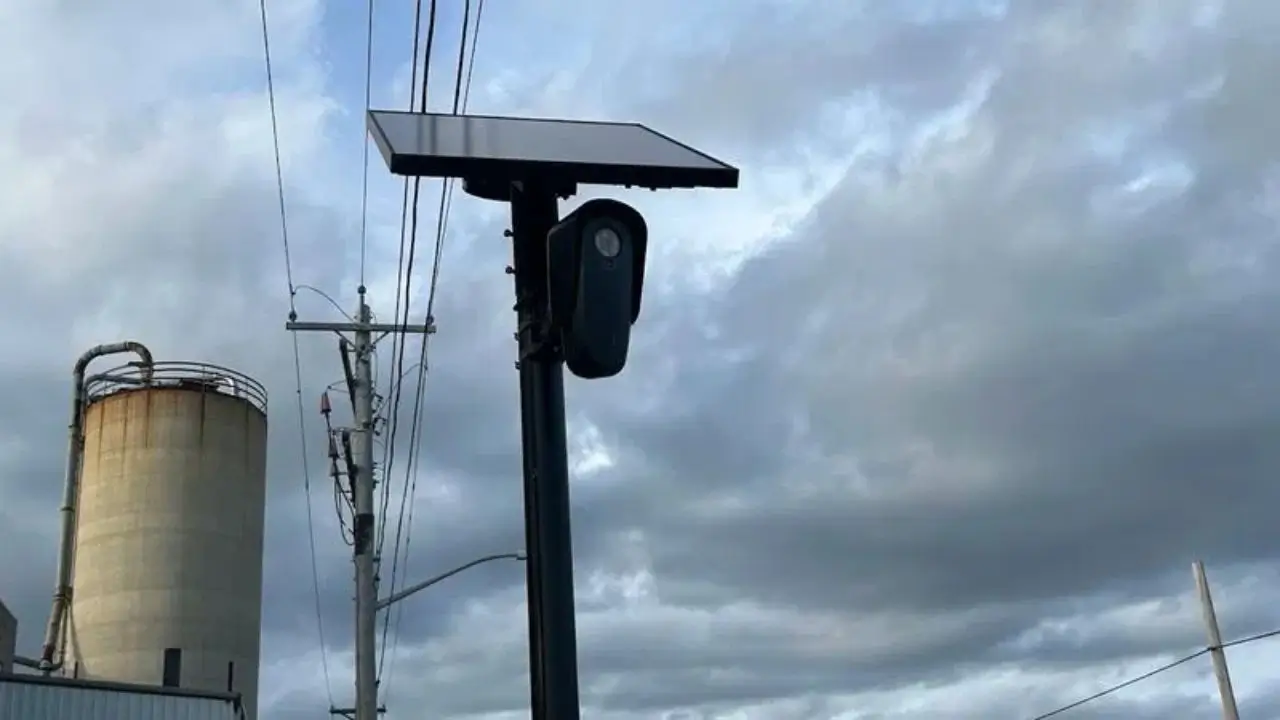
Flock cameras have become a familiar sight on roads, neighborhood entrances, parking areas, and other locations where vehicles regularly pass. Unlike a conventional security camera that records a broad scene, these specialized systems are designed primarily to identify and document vehicles. A passing car can become a searchable record containing details such as its license plate, color, make, model, and other visible characteristics.
That capability has made Flock cameras useful to communities, businesses, and law enforcement agencies investigating stolen vehicles, property crimes, missing-person cases, and other incidents. At the same time, their growing presence has raised reasonable questions about privacy, data retention, access, accuracy, and how vehicle information can be shared.
Understanding Flock cameras requires looking beyond the camera mounted on a pole. The technology combines specialized imaging hardware, automated license plate recognition, machine-learning systems, searchable vehicle information, and policies governing who can access the resulting records. For drivers and residents, knowing how those pieces fit together makes it easier to understand what these cameras actually do and what they do not do.
What Are Flock Cameras?
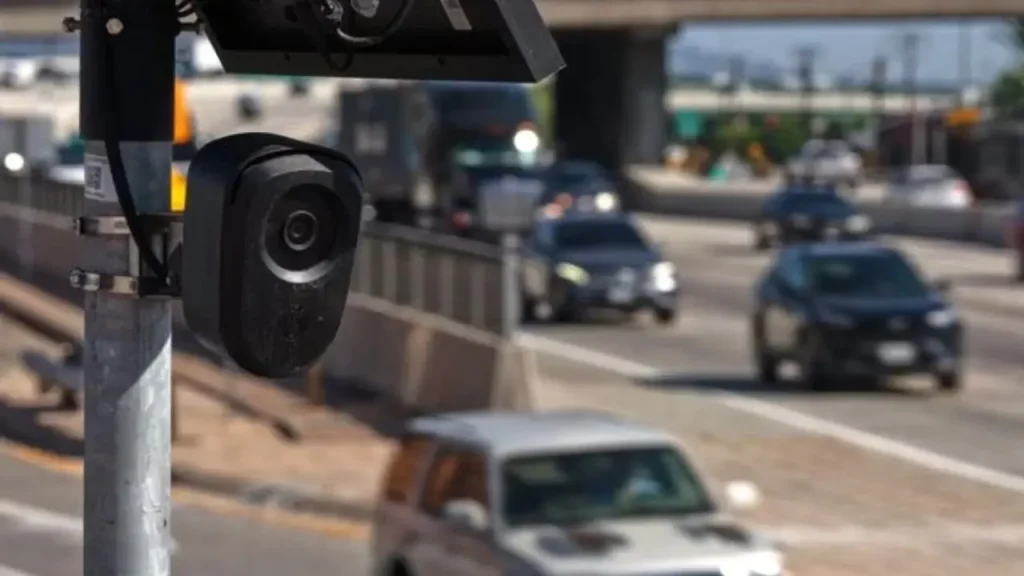
Flock cameras are specialized security cameras developed by Flock Safety, a company focused on vehicle intelligence and public-safety technology. Their best-known systems are license plate recognition cameras, commonly referred to as LPR or ALPR cameras. Instead of attempting to continuously record everything happening around a location, these cameras are designed to capture useful information about vehicles passing through a particular area.
A typical Flock LPR camera can identify a vehicle’s license plate and organize additional visible characteristics. Depending on the system and conditions, those characteristics may include the vehicle’s make, model, color, body type, plate type, and distinctive features. This can be particularly useful when investigators do not know a complete license plate number but have a description such as “dark-colored SUV” or “white pickup truck.”
The distinction between a Flock camera and an ordinary surveillance camera is significant. A traditional security camera may produce hours of video that someone has to manually review. An LPR system instead creates structured vehicle information that can be searched. Rather than watching an entire recording, an authorized user may be able to narrow a search using a date, time, vehicle characteristics, or plate information.
Flock cameras are also designed for locations where vehicles naturally pass, such as entrances and exits, roads, parking areas, and neighborhood access points. Some deployments use fixed infrastructure, while other camera options are designed for locations where permanent installation is less practical. The objective is generally to create useful vehicle evidence without requiring an operator to watch a live screen around the clock.
How Do Flock Cameras Work?
Capturing a Passing Vehicle
The process begins when a vehicle enters the camera’s detection area. The system uses motion detection and specialized imaging technology to capture images as the vehicle passes. License plates are particularly important because their reflective surfaces can be photographed clearly under a range of lighting conditions.
The resulting images can then be processed by software that extracts information from the vehicle. This may include the license plate number, state or jurisdiction shown on the plate, vehicle type, color, make, model, and other visible characteristics. The goal is to turn a simple photograph into searchable information that can later help establish whether a particular vehicle was present at a specific location.
The technology is especially useful when investigators have incomplete information. Suppose a witness remembers seeing a silver SUV near a business shortly before a burglary but cannot remember its license plate. A conventional investigation may have very little to work with. Vehicle-recognition technology can potentially narrow the available records by searching characteristics that match the description.
Turning Images Into Searchable Evidence
Once a vehicle has been identified, the information can be organized in a searchable system. Authorized users may be able to search by a complete or partial plate, vehicle characteristics, location, and time period, depending on the customer’s configuration and applicable policies.
This changes the way surveillance evidence can be handled. Instead of relying entirely on someone remembering exactly when an event happened, investigators can examine vehicle records surrounding a relevant period. A vehicle that appears repeatedly near different locations may provide an investigative lead.
That does not mean the system automatically proves that a particular person committed a crime. A camera generally establishes that a vehicle was observed. Determining who was driving, why the vehicle was there, and whether the vehicle is actually connected to an incident requires additional evidence and human investigation.
This distinction matters. A vehicle can be borrowed, rented, shared by family members, sold without updated records, or driven by someone other than its registered owner. A camera record should therefore be treated as evidence or an investigative lead rather than an automatic identification of a person.
What Information Do Flock Cameras Capture?
One of the most common questions about Flock cameras concerns exactly what is recorded. The answer depends somewhat on the specific product and deployment, but LPR systems are primarily designed around vehicles rather than facial identification.
A captured vehicle may be associated with its license plate information, time and date of observation, camera location, color, make, model, and other visible characteristics. Some systems can also identify distinctive vehicle features such as roof racks, trailers, aftermarket modifications, or visible damage. These characteristics can become useful when a license plate is unavailable or only partially visible.
| Article Element | Details |
|---|---|
| SEO Title | Flock Cameras: How They Work, Privacy, Benefits, and What to Know |
| Meta Title | Flock Cameras: How They Work and What They Capture |
| Meta Description | Flock cameras use license plate recognition and vehicle data to support security, investigations, and neighborhood safety. |
| Slug | flock-cameras |
| Category | News |
| Focus Keyword | flock cameras |
| Article Length | 1400+ words |
| H2 Headings | 5+ |
| FAQs | 10 |
Flock’s published materials state that its LPR cameras are designed to focus on vehicles visible from public areas and that facial recognition is not part of its LPR offering. The company also says its cameras are not designed to determine who is inside a vehicle or the purpose of a person’s trip.
That distinction can help explain why these systems are different from technologies designed specifically for facial recognition. The primary object being categorized is the vehicle. However, vehicle information can still reveal sensitive patterns about where a vehicle has been observed, which is why data access, retention, sharing, and oversight remain important considerations.
What the Camera Does Not Tell You
A license plate record does not automatically reveal who was driving. It does not necessarily explain why the vehicle was at a location. It cannot by itself establish that the vehicle’s owner was present.
For example, imagine that a vehicle registered to one person is recorded outside a shopping center. The record can establish that the vehicle was detected there, but it does not necessarily establish that the registered owner was inside the shopping center. Another family member, employee, friend, or other authorized driver may have been using the vehicle.
This is one reason responsible use requires context. Automated systems can produce valuable leads, but human investigators still need to verify relevant information before drawing conclusions or taking action.
Why Communities and Law Enforcement Use Flock Cameras
Flock cameras are often deployed because vehicle information can provide a useful connection between an incident and the surrounding area. A stolen vehicle, for example, may be recorded after leaving one location. A vehicle connected to a burglary investigation may appear near the scene before or after the reported incident. A missing-person case may also involve a vehicle that investigators are trying to locate.
The technology can also be useful for neighborhoods that want additional information about vehicles entering and leaving an area. Traditional security cameras can provide valuable video, but searching through large amounts of footage can take considerable time. A vehicle-focused system is designed to make that process more targeted.
Businesses may use similar technology around commercial properties, parking facilities, or other locations where vehicle activity is relevant to security. For property managers, the ability to search vehicle information after an incident can sometimes be more practical than relying solely on footage that requires manual review.
Another important feature is the possibility of sharing information between authorized organizations. When properly governed, connected systems can allow relevant vehicle evidence to contribute to an investigation that crosses jurisdictional boundaries. This can matter because vehicles do not stop at city or county lines when a crime occurs.
However, greater connectivity also makes governance more important. The more organizations that can potentially access or exchange information, the more important it becomes to understand authorization rules, audit trails, retention periods, and the circumstances under which data may be shared.
Privacy, Data Retention, and Public Concerns
The growing use of Flock cameras has generated debate over privacy. The central question is not simply whether a camera photographs a license plate. It is also what happens to that information afterward.
A single vehicle observation may seem relatively ordinary. Thousands of observations collected across different locations can create a much broader picture of vehicle activity. Even when a system does not use facial recognition, repeated vehicle observations can potentially reveal patterns about where a particular vehicle has appeared.
That is why retention policies matter. Flock’s published LPR policy says its default retention period is seven days, although the company notes that retention can be changed according to customer requirements, laws, or policies. The exact rules can therefore vary between deployments.
Access controls are equally important. A useful surveillance system needs to ensure that authorized personnel can obtain relevant evidence while limiting inappropriate searches. Flock says searches are logged and that customers control aspects of data access and sharing. Local policies and laws can add additional requirements.
Residents should therefore look beyond the question of whether cameras are installed. They should ask practical questions: Who owns the data? Who can search it? How long is it retained? Is information shared with other agencies? What reasons are required for a search? Are searches audited? What procedures exist for correcting mistakes?
These questions are not necessarily arguments for or against the technology. They are basic governance questions that become increasingly relevant as automated surveillance becomes more common.
Accuracy and the Limits of Flock Cameras
No camera system is perfect. License plates can be obstructed, dirty, damaged, poorly illuminated, or captured at difficult angles. Weather, traffic conditions, vehicle speed, image quality, and unusual plates can also affect recognition.
Automated systems can sometimes produce an incorrect interpretation of a plate or vehicle characteristic. A small visual difference can turn one character into another, particularly when an image is captured under difficult conditions.
For that reason, a camera-generated result should be verified before it becomes the foundation for an important decision. A search result can provide a valuable lead, but it is not necessarily the final answer.
Vehicle descriptions can also be ambiguous. Many cars share similar colors and body shapes. A “white SUV” could describe thousands of vehicles in a metropolitan area. Additional evidence is needed to determine whether a particular vehicle is relevant to an investigation.
Why Context Matters
Imagine an investigator receives a report of a dark pickup truck near an incident. A vehicle search might identify several matching trucks. That information narrows the field but does not automatically identify a suspect.
Investigators may then compare the vehicle’s plate, location, timestamps, video evidence, witness statements, physical evidence, and other information. The camera provides one piece of the larger puzzle.
This is a healthier way to understand automated surveillance technology. Its value often comes from helping people find useful evidence faster, rather than replacing investigative judgment altogether.
What Drivers and Residents Should Know
For ordinary drivers, seeing a Flock camera does not necessarily mean that someone is actively watching the vehicle in real time. LPR systems are generally designed to capture vehicle events and make the resulting information available for authorized searches or alerts.
A driver may pass a camera without knowing that the vehicle was recorded. If the camera is functioning properly, the system may capture the vehicle’s plate and other visible characteristics. Depending on the local deployment, the information may then be retained for a defined period.
Residents can also ask their local government, neighborhood association, property manager, or law enforcement agency about the specific rules governing cameras in their area. The policies can be more informative than the physical camera itself.
Questions about installation authority, data retention, access, sharing, and oversight are especially useful. Residents should also distinguish between the manufacturer’s general policies and the policies adopted by the organization operating the cameras.
For people concerned about privacy, understanding the system is more useful than assuming that every camera works in exactly the same way. Different products, customers, jurisdictions, and retention policies can create meaningful differences in how information is handled.
The Future of Vehicle Surveillance Technology
Vehicle surveillance is becoming increasingly sophisticated. Modern systems are moving beyond simple plate recognition toward broader vehicle intelligence, where software can search combinations of characteristics and identify potential connections between observations.
This could make investigations faster. A detective who knows only that a suspect vehicle was a particular color and body type may have more options than they would with a traditional plate-only system.
At the same time, better technology increases the importance of clear rules. As cameras become better at recognizing vehicles and searching historical observations, communities will need thoughtful policies concerning access, retention, auditing, data sharing, and accountability.
The future discussion is therefore unlikely to be only about whether cameras can recognize vehicles. The more meaningful questions will concern how the information is used, what safeguards surround it, and how organizations demonstrate that access is appropriate.
Technology can provide powerful investigative tools, but trust depends on transparent rules and responsible implementation. A system that is technically capable but poorly governed can create very different concerns from one operated under clear restrictions and meaningful oversight.
Conclusion
Flock cameras represent a major shift from conventional security cameras toward automated vehicle intelligence. By combining specialized cameras with license plate recognition and machine-learning software, they can turn passing vehicles into searchable evidence that may assist investigations and improve situational awareness.
Their usefulness is relatively easy to understand: a vehicle connected to an incident may leave behind information that investigators can search rather than forcing them to manually examine hours of footage. Communities and businesses can also use vehicle records to strengthen security around important locations.
But the technology deserves careful consideration. Automated recognition can make mistakes, a vehicle does not necessarily identify its driver, and repeated records of vehicle movements can raise legitimate privacy questions. Retention periods, access controls, sharing policies, audit procedures, and local laws all matter.
The best way to understand Flock cameras is neither to treat them as ordinary CCTV cameras nor to assume that every recorded vehicle represents suspicious activity. They are specialized investigative tools whose usefulness depends on accurate technology, appropriate policies, and responsible human judgment.
Frequently Asked Questions About Flock Cameras
1. What are Flock cameras?
Flock cameras are specialized security cameras, particularly license plate recognition cameras, designed to capture vehicle information. They can record license plates and visible characteristics such as vehicle color, make, model, and type.
2. Do Flock cameras record faces?
Flock’s LPR systems are designed around vehicles rather than facial recognition. The company states that facial recognition is not included in its LPR technology.
3. Can Flock cameras identify the driver?
Not necessarily. A Flock camera can identify or record information about a vehicle, but that does not automatically establish who was driving it.
4. What can Flock cameras see?
Depending on the system and conditions, they can capture license plate information and vehicle characteristics such as color, make, model, body type, and distinctive visible features.
5. How are Flock cameras used by police?
Law enforcement agencies can use authorized Flock systems to search vehicle information during investigations. They may also receive alerts when a vehicle matches certain criteria or databases.
6. How long does Flock keep camera data?
Flock’s current LPR policy states that data is deleted on a rolling seven-day basis by default, although the retention period can vary when different legal or customer requirements apply.
7. Can Flock cameras read a partial license plate?
Some Flock systems support searches involving partial or incomplete plate information. Vehicle characteristics can also help narrow a search when the full plate is unavailable.
8. Are Flock cameras always watching drivers?
They are designed to capture vehicles passing through their detection areas. That does not mean an individual is necessarily being watched by a person in real time. The resulting records can be stored and searched according to the system’s policies.
9. Can Flock cameras make mistakes?
Yes. Like other automated recognition systems, they can encounter problems caused by poor visibility, unusual plates, obstruction, lighting, weather, or other conditions. Results should be verified before important decisions are made.
10. Are Flock cameras the same as normal security cameras?
No. Traditional security cameras generally record broader video scenes, while Flock LPR cameras are specifically designed to capture and organize vehicle information. Their searchable structure makes them particularly useful for vehicle-related investigations.
