



Introduction
For millions of Americans, Social Security is more than a monthly deposit. It is the foundation of a retirement budget, a source of income for disabled workers, and an important financial lifeline for surviving family members. That makes any discussion of 2027 social security benefit changes worth watching closely—especially for people who are approaching retirement, already receiving benefits, or deciding whether to claim Social Security early or wait.
One of the biggest points of interest for 2027 is the annual cost-of-living adjustment, commonly known as the COLA. The Social Security Administration has not yet announced the official 2027 COLA because that figure is determined later in 2026 using inflation data. However, the Social Security Administration’s 2026 Trustees-based projections currently estimate a 2.4% COLA for 2027. That is only a projection, not a final benefit increase.
There is another issue that causes considerable confusion: several changes that appear in government discussions about 2027 are proposed policy options rather than enacted changes. For example, Social Security’s Office of the Chief Actuary models potential changes to the COLA formula and retirement age beginning in 2027, but those scenarios do not mean Congress has approved them.
Understanding that distinction is essential. This guide explains what beneficiaries can realistically expect in 2027, what remains uncertain, how a potential COLA could affect monthly payments, and which retirement-planning decisions deserve attention before the year arrives.
1. The 2027 Social Security COLA Could Increase Monthly Benefits
The most visible of the 2027 social security benefit changes is expected to be the annual cost-of-living adjustment. Social Security COLAs are designed to help benefits keep pace with inflation. Under current law, the adjustment is calculated using the Consumer Price Index for Urban Wage Earners and Clerical Workers, or CPI-W. The Social Security Administration determines the annual increase using inflation data from the third quarter.
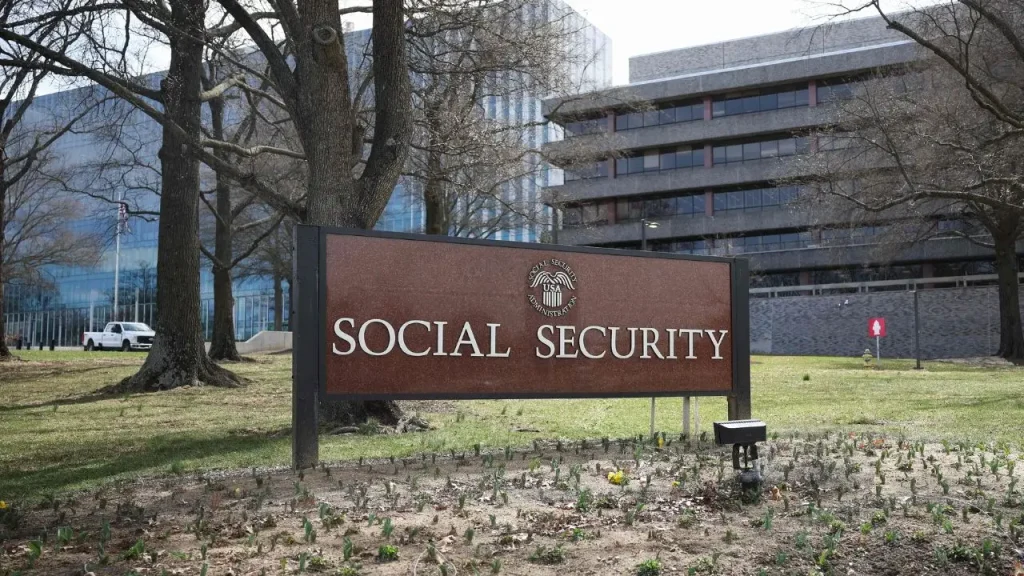
The official 2027 COLA is not known yet. The latest projection based on the 2026 Trustees Report’s intermediate assumptions places the 2027 COLA at approximately 2.4%. Because the official calculation depends on inflation data that will be available later in 2026, the final number could be higher or lower. The projected figure should therefore be treated as a planning estimate rather than a guaranteed increase.
What a 2.4% increase could look like
Suppose someone receives $1,800 per month in Social Security benefits. A 2.4% increase would amount to roughly $43.20 more per month, producing a benefit of approximately $1,843.20 before other deductions.
Someone receiving $2,500 per month would see an estimated increase of about $60 per month, bringing the monthly benefit to approximately $2,560. These examples are simply illustrations of the projected percentage; actual payments can differ because Social Security calculations involve rounding and deductions.
The effect can also vary considerably from one household to another. Medicare premiums, federal income taxes, voluntary withholding and other deductions can influence the amount that actually reaches a beneficiary’s bank account. Social Security itself explains that the monthly increase from a COLA can differ slightly from a simple percentage calculation because of the way benefits are recalculated and rounded.
Why the final 2027 number matters
A relatively small difference in the COLA can become meaningful over several years. For a person living primarily on Social Security, an additional $20 or $30 per month can help cover groceries, utilities, prescription costs or transportation.
At the same time, beneficiaries should avoid assuming that a larger Social Security check automatically means greater purchasing power. Inflation affects household expenses differently. Housing, medical care and food costs can rise at different rates from the CPI-W measure used for Social Security.
2. The COLA Is Not the Same as a New Social Security Benefit Formula
A common misunderstanding surrounding 2027 social security benefit changes is the idea that the annual COLA represents a completely new benefit formula. It does not. The COLA is an adjustment applied to existing benefits to account for inflation. It does not automatically change the fundamental rules governing retirement eligibility, work history or the formula used to establish a worker’s initial benefit.
| 2027 Social Security Change | Current Status | What It Could Mean |
|---|---|---|
| 2027 COLA | Projected at 2.4% | Monthly benefits could increase |
| Official COLA announcement | Expected October 2026 | Final percentage will be confirmed |
| Full retirement age | No automatic 2027 increase under current law | Current rules continue unless Congress changes them |
| COLA formula changes | Proposed/modelled options | Could affect future benefit growth |
| Social Security earnings rules | Annual limits may change | Working beneficiaries may be affected |
| Medicare deductions | Separate from Social Security COLA | Could reduce the net increase in payments |
| Benefit claiming age | No automatic change | Claiming early still means a reduced benefit |
| Long-term Social Security funding | Ongoing policy issue | Could influ |
The Social Security Administration explains that a retirement benefit is based on a worker’s earnings record and the primary insurance amount. Adjustments can then be made depending on whether the person claims before, at or after full retirement age. A COLA subsequently increases the benefit according to the applicable rules.
That distinction is particularly important for people who have not yet claimed Social Security. A projected 2027 COLA should not be interpreted as a reason to delay claiming automatically. The decision to claim at 62, wait until full retirement age or delay beyond full retirement age depends on a person’s earnings record, expected longevity, household circumstances and financial needs.
Workers approaching retirement
People still working in 2027 may also be affected by annual changes to Social Security-related wage thresholds and earnings limits. These amounts are adjusted periodically under current law, and the exact figures applicable to 2027 will depend on official determinations.
For someone receiving Social Security while continuing to work, the earnings test can be especially important before full retirement age. Depending on the circumstances, Social Security can withhold part of a beneficiary’s benefits when earnings exceed the applicable limit. Once a person reaches full retirement age, the earnings test no longer applies for the entire year. The rules can therefore have a substantial effect on someone combining employment income with Social Security.
Workers should also remember that Social Security taxes and future benefits are connected to covered earnings. Continuing to work can sometimes improve a retirement benefit if newer earnings replace lower-earning years in the worker’s calculation.
People already receiving benefits
For current beneficiaries, the annual COLA is generally more straightforward. The adjustment is applied to benefits according to Social Security’s established process, meaning recipients do not normally need to file a new retirement application simply to receive the annual increase.
However, the amount deposited into a bank account can be affected by other changes. Medicare premiums are a major example. If Medicare deductions increase, some of the Social Security increase may effectively be absorbed by higher health-care costs.
That is why retirees should evaluate their net monthly income, rather than focusing only on the headline COLA percentage.
3. Retirement Age Rules Are Not Automatically Changing in 2027
Another issue frequently associated with 2027 social security benefit changes is the full retirement age. There are proposals that would gradually increase the normal retirement age, but those proposals should not be confused with current law.
The Social Security Administration’s Office of the Chief Actuary publishes numerous hypothetical solvency provisions. One modeled proposal would begin increasing the normal retirement age for people reaching age 62 in 2027, eventually moving the normal retirement age toward 68. Another modeled option would make the increase faster. These are policy scenarios used to study potential changes to Social Security’s finances; they are not evidence that the retirement age has already been changed.
Under current law, full retirement age remains determined by birth year. For many younger workers, the full retirement age is already higher than it was for previous generations, reaching 67 for people born in 1960 or later.
Why full retirement age matters
Full retirement age matters because claiming Social Security before that age generally results in a permanently reduced monthly retirement benefit. Waiting beyond full retirement age can increase the retirement benefit through delayed retirement credits, subject to the applicable rules.
Consider two workers with similar earnings histories. One claims as soon as eligible, while the other waits several years. The first person begins receiving money sooner, but receives a smaller monthly amount. The second person gives up several years of payments but may receive substantially larger monthly checks later.
There is no universally correct answer. Someone with substantial savings and good health may view delaying benefits differently from someone who needs income immediately. Family circumstances also matter, particularly for married couples and surviving spouses.
Don’t make decisions based on proposed legislation alone
The safest approach is to distinguish three categories: current law, official projections and proposed policy options.
Current law determines the benefits people can claim under existing rules. Official projections estimate what future figures may look like. Proposed legislation or actuarial scenarios describe what could happen if lawmakers change the law.
Those categories are often blended together in headlines, creating the impression that every proposed change is already scheduled. For retirement planning, that can lead to unnecessary fear or poorly timed decisions.
4. Social Security’s Long-Term Finances Could Shape Future Changes
The reason Social Security policy remains such a major political and financial issue is simple: the program faces a long-term financing challenge. The 2026 Trustees-based actuarial material estimates a substantial long-range gap under current law. That is why policymakers continue examining options involving taxes, benefits, retirement ages and COLA calculations.
Some proposals would reduce future benefits growth, while others would increase revenue or provide targeted increases to certain beneficiaries. The policy debate is complicated because Social Security serves very different populations. A change that improves the program’s finances could reduce projected benefits for some retirees. Conversely, a benefit increase could require additional revenue or other changes to maintain long-term solvency.
The actuarial analysis published by Social Security illustrates just how many possible approaches exist. Some modeled proposals would reduce the annual COLA by a specified percentage point, while another would use a chained version of CPI-W and is estimated to reduce annual COLA growth by about 0.3 percentage point on average. Other proposals would increase benefits for older beneficiaries or use the Consumer Price Index for the Elderly.
Why the COLA debate matters to retirees
Changing the COLA formula might appear minor in a single year, but the effects could compound. If annual benefit increases were consistently smaller, the difference between the current formula and a revised formula could become substantial over a long retirement.
On the other hand, advocates for a higher elderly-focused inflation measure argue that older households often spend more heavily on categories such as health care than the broader working-age population. The Social Security Administration’s actuarial analysis estimates that adopting CPI-E beginning in 2028 would increase annual COLA growth by about 0.15 percentage point on average.
These competing approaches show why the 2027 discussion cannot be reduced to a single question about whether checks will rise. The deeper issue is how benefits should be protected against inflation while keeping the program financially sustainable.
What beneficiaries should watch
Anyone relying heavily on Social Security should pay attention to official announcements rather than viral claims or speculative headlines. The Social Security Administration publishes its annual COLA information, benefit figures and other changes through its official channels.
The official 2027 COLA announcement is particularly important because it will replace the current projection with a final number. Until that announcement occurs, financial planning should use a reasonable range rather than treating the projected 2.4% increase as guaranteed.
5. How Beneficiaries Can Prepare for 2027
Preparing for the 2027 social security benefit changes does not require predicting every policy decision in Washington. A more useful strategy is to understand which parts of your income are stable, which expenses are likely to rise and how much flexibility exists in your budget.
Start by reviewing your current Social Security benefit estimate and earnings history. A worker’s benefit depends heavily on lifetime covered earnings, so checking the earnings record can help identify mistakes or missing information. People who have not yet claimed benefits can also compare estimated payments at different claiming ages.

Next, build a retirement budget based on actual spending rather than simply multiplying your current Social Security check by a projected COLA. Separate essential expenses—such as housing, utilities, food, insurance and health care—from discretionary expenses. This makes it easier to see whether a relatively small annual increase will genuinely cover rising costs.
A practical example
Imagine a retiree receiving $2,000 per month from Social Security and spending $1,850 each month on essential expenses. A hypothetical 2.4% COLA would raise the benefit by about $48 per month before deductions.
That does not necessarily mean the retiree has $48 of additional spending power. If Medicare premiums, insurance, food or utilities rise by more than $48, the household could still face a tighter budget despite receiving a larger Social Security check.
This is why the best preparation is not simply watching the COLA announcement. It is creating a financial plan that can withstand modest changes in inflation and benefit amounts.
Keep an eye on Medicare deductions
For beneficiaries who receive Medicare, the amount arriving in the bank account can be different from the gross Social Security benefit. Medicare premiums and other deductions can affect the final payment.
The Centers for Medicare & Medicaid Services’ 2026 Medicare Trustees Report provides projections for Medicare-related costs, illustrating that health-care financing remains an important part of the broader retirement-income picture.
For retirees, this means Social Security and Medicare should be considered together. A larger Social Security benefit is helpful, but it should be evaluated alongside health-care expenses and other sources of retirement income.
Conclusion
The 2027 social security benefit changes will attract considerable attention, but not every figure or proposal currently circulating should be treated as a confirmed rule. The clearest near-term issue is the annual COLA. Current Social Security projections estimate a 2.4% COLA for 2027, but the official percentage will be determined later in 2026 after the required inflation data is available.
Other potential changes—including adjustments to the COLA formula or increases in the full retirement age—appear in actuarial and policy discussions, but those should not be mistaken for enacted changes. The distinction between current law and proposed reforms is especially important for people making major retirement decisions.
For beneficiaries and workers, the smartest approach is to focus on the factors that can actually be controlled: understanding your earnings record, reviewing your estimated benefit, considering the financial consequences of claiming at different ages, maintaining an emergency reserve and preparing for health-care costs. A Social Security increase can provide valuable breathing room, but a durable retirement plan should not depend on one annual COLA.
10 Frequently Asked Questions About 2027 Social Security Benefit Changes
1. What is the expected Social Security COLA for 2027?
The latest projection based on the 2026 Social Security Trustees Report is 2.4% for 2027. However, this is only an estimate. The official 2027 COLA will be determined after the required inflation data is available later in 2026.
2. When will the official 2027 Social Security COLA be announced?
The Social Security Administration typically announces the annual COLA in October. The agency says the next COLA determination will be announced in October 2026.
3. Will everyone receiving Social Security get the same dollar increase?
No. The COLA is a percentage adjustment, so people with different benefit amounts will receive different dollar increases. A 2.4% increase on a $1,500 benefit produces a smaller dollar increase than the same percentage applied to a $2,500 benefit.
4. Will Social Security retirement age increase in 2027?
Not automatically under current law. The Social Security Administration has modeled proposals that would begin increasing the normal retirement age for people reaching 62 in 2027, but these are policy options rather than an enacted change.
5. Does the 2027 COLA change the age when I can claim Social Security?
No. The annual COLA and eligibility rules are separate matters. The COLA adjusts benefits for inflation, while claiming rules determine when a person can begin receiving retirement benefits and how claiming age affects the payment.
6. Could Medicare premiums reduce the benefit increase?
Yes. A Social Security recipient’s gross benefit can increase while the amount actually deposited into the bank account rises by less if Medicare premiums or other deductions also increase.
7. Are changes to the Social Security COLA formula already approved for 2027?
No. Social Security’s actuarial office publishes several hypothetical options for changing the COLA formula, including proposals that could begin in 2027. These are analyses of potential reforms, not proof that Congress has enacted them.
8. Should I claim Social Security early because of possible 2027 changes?
Not solely because of speculation about future changes. Claiming age is a personal financial decision involving health, life expectancy, savings, employment, marital status, taxes and income needs. A projected COLA by itself is not a reliable reason to claim early.
9. Will people who are already receiving Social Security get the 2027 COLA?
Generally, eligible Social Security beneficiaries receive applicable annual COLA increases under current law. The adjustment is applied through Social Security’s established benefit calculation process rather than requiring beneficiaries to submit a new retirement application.
10. Where can I find reliable information about 2027 Social Security changes?
The Social Security Administration is the best source for official benefit amounts, COLA announcements, earnings rules and retirement information. For Medicare-related costs, beneficiaries should also rely on official Medicare and CMS information. Projections and proposed reforms should be clearly distinguished from changes that have actually become law.
