


Introduction
The iPhone 18 is shaping up to be one of Apple’s most unusual iPhone generations in years. Rather than simply introducing a new family of phones in the familiar September pattern, Apple is reportedly preparing a split launch that puts its most expensive models in the spotlight first. The iPhone 18 Pro and iPhone 18 Pro Max are expected to arrive alongside Apple’s first foldable iPhone, while the standard iPhone 18 is reportedly being held for a later release in 2027.
That makes the iPhone 18 story more complicated than a typical annual upgrade. There is the standard iPhone 18 that many buyers are waiting for, the premium Pro models that could introduce some of Apple’s biggest internal improvements, and a rumored foldable device that may represent an entirely new category for the company.
Apple is expected to reveal its next major iPhone products at its September 9, 2026 event. Until the official presentation, some specifications remain rumors rather than confirmed facts. Still, the current reports provide a remarkably detailed picture of what Apple may be preparing, including a new 2-nanometer processor, improved cameras, a smaller Dynamic Island, a new modem and potentially more capable satellite connectivity.
For anyone considering an upgrade, the timing is especially interesting. The iPhone 18 generation may not simply be about faster performance or a better camera. It could mark the beginning of a new strategy for how Apple designs, launches and positions its smartphones.
1. iPhone 18 Release Date: Apple May Be Changing Its Traditional Schedule
For years, Apple’s iPhone strategy has been relatively predictable. New flagship models appeared in September, customers placed orders shortly afterward, and the lineup normally included standard and Pro versions at roughly the same time. The iPhone 18 generation is expected to break that pattern.
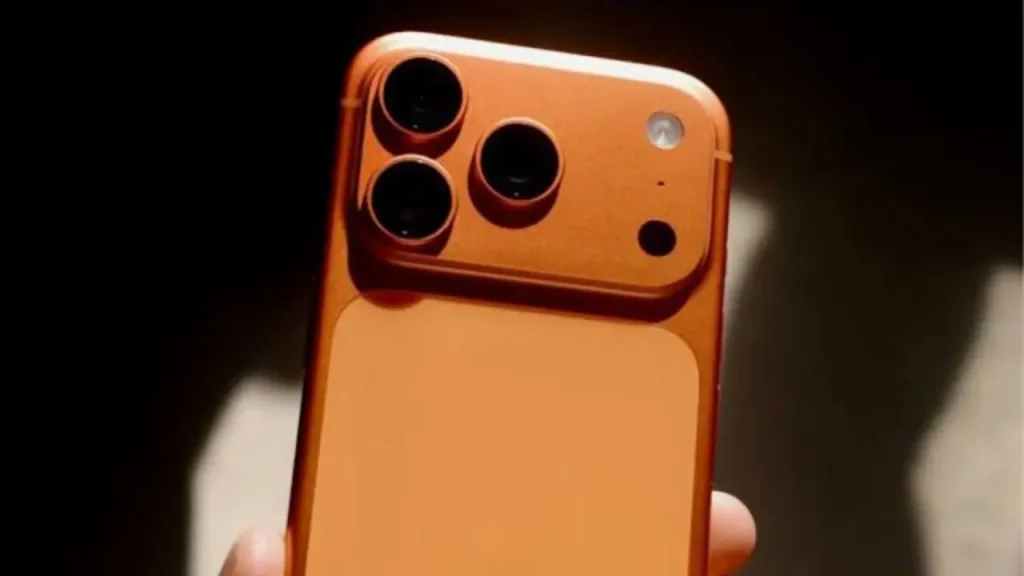
Current reports indicate that Apple will introduce the iPhone 18 Pro, iPhone 18 Pro Max and a new foldable iPhone in September 2026. The standard iPhone 18, iPhone 18e and a second-generation iPhone Air are reportedly being pushed to spring 2027. MacRumors and Tech Advisor both report on this two-stage launch strategy.
This means the name “iPhone 18” may initially create some confusion. A customer walking into an Apple Store during the 2026 holiday season may not see the conventional base iPhone 18 that would normally anchor the lineup. Instead, Apple appears ready to emphasize premium products.
There are several possible reasons behind the decision. One factor reportedly involves rising memory costs caused partly by enormous demand from artificial intelligence infrastructure. A staggered release could allow Apple to concentrate scarce components and production capacity on its most profitable devices. It also gives the company another opportunity to generate attention when the more affordable models eventually arrive.
What does this mean for buyers?
If you want the latest iPhone in September 2026, you may have to pay considerably more than you would for a traditional base model. Buyers who do not need a Pro phone could have a very different decision: purchase an existing model, choose the new Pro range, or wait until spring 2027 for the standard iPhone 18.
That delay could actually benefit some consumers. Waiting several months would give Apple time to introduce its more affordable models while also allowing buyers to see how the new Pro generation performs in the real world.
The reported schedule therefore makes the iPhone 18 less of a single launch and more of a year-long product transition.
2. A20 Chip Could Make the iPhone 18 Pro Faster and More Efficient
One of the most significant expected changes is hidden inside the phone. Apple is reportedly preparing an A20 Pro chip for the iPhone 18 Pro models, with the processor expected to move to a first-generation 2-nanometer manufacturing process. Current iPhone 18 Pro reports consistently point toward this major architectural transition.
| Feature | iPhone 18 Expected Details |
|---|---|
| Expected Release | Spring 2027 |
| Processor | Apple A20 chip |
| Manufacturing Process | Expected 2nm technology |
| Display | Advanced OLED display |
| Dynamic Island | Potentially refined; smaller design may remain Pro-focused |
| Main Camera | Expected camera improvements |
| Ultrawide Camera | Possible 48MP upgrade |
| Front Camera | Possible 24MP upgrade |
| Battery | Expected efficiency and battery-life improvements |
| Operating System | Expected next-generation iOS |
| Connectivity | Expected newer wireless and modem technology |
| Storage | Multiple storage configurations expected |
| Design | Refined version of Apple’s current iPhone design |
| iPhone 18 Pro | Expected September 2026 |
| iPhone 18 Pro Max | Expected September 2026 |
| Standard iPhone 18 | Expected spring 2027 |
| Price | Not officially announced |
| Foldable iPhone | Expected as a separate premium model |
| Best For | Users seeking flagship-level performance without necessarily buying the Pro model |
| Official Status | Most standard-model specifications remain unconfirmed |
A smaller manufacturing process does not automatically mean a phone will feel dramatically faster in everyday use. Modern iPhones are already extremely powerful. The more meaningful advantage could be efficiency. A processor that can deliver more performance while consuming less energy can potentially improve battery life, reduce heat and give developers more headroom for demanding applications.
That matters because Apple is increasingly positioning the iPhone as an artificial-intelligence platform rather than simply a communication device. Photo processing, voice recognition, on-device language models, image generation and other AI-assisted functions can place considerable demands on a mobile processor.
The A20 Pro could therefore become important not because users will suddenly notice that apps open half a second faster, but because the phone may be able to handle more complicated tasks locally.
Battery life could be another major benefit
Reports also suggest that the iPhone 18 Pro Max could receive a larger battery, potentially approaching a 10 percent increase compared with the previous generation. A thicker design has also been rumored, which could provide Apple with additional internal space.
If those changes prove accurate, Apple may be making a deliberate trade-off. Instead of chasing an exceptionally thin body at all costs, the company could give the Pro Max more room for battery capacity and advanced components.
For heavy users, that could be more valuable than a modest increase in benchmark performance. A phone that lasts longer during navigation, video recording, gaming, photography and mobile work is often a more meaningful upgrade than one that wins a synthetic speed test.
The biggest question is how Apple balances performance and efficiency. If the A20 Pro genuinely combines the benefits of a new manufacturing process with better power management, the iPhone 18 Pro could offer improvements that users notice throughout the entire day.
3. Camera Improvements Could Be One of the Biggest Reasons to Upgrade
Apple’s cameras have become central to the iPhone experience, and the iPhone 18 Pro models are expected to continue that trend. One of the most interesting rumored changes is a variable-aperture main camera.
A variable aperture would give the camera more control over how much light enters the lens. In practical terms, that could allow the camera to adapt more intelligently to different photographic situations and provide photographers with greater control over depth of field. Reports indicate that Apple’s main 48-megapixel Fusion camera could receive this capability.
This is more significant than simply increasing megapixels. Smartphone photography increasingly depends on the interaction between hardware and computational photography. A better lens system can provide the image processor with higher-quality information to work with, potentially improving exposure, detail, portraits and difficult lighting situations.
Imagine photographing a person outdoors on a bright afternoon. A variable aperture could give the camera another physical control for managing light, rather than relying almost entirely on electronic processing. In another situation, a wider aperture could help produce a more natural background blur.
The camera system may also become more professional
The rumored camera changes do not stop with the main lens. Reports have suggested improvements to the telephoto camera, including a wider aperture, while Apple may also redesign the Camera Control button.
For casual users, these changes could translate into better automatic photographs without requiring them to understand photography settings. For enthusiasts, the additional control could make the iPhone more flexible as a serious camera.
Apple is also reportedly considering changes to the front-facing camera system, although exact specifications remain uncertain. Some reports have pointed toward a higher-resolution selfie camera, while others have focused more heavily on changes to Face ID and the Dynamic Island.
The broader direction is clear: Apple appears to be treating the iPhone’s camera system as an area where hardware innovation still matters, even after years of computational photography improvements.
4. A Smaller Dynamic Island Could Give the Display a Cleaner Look
The Dynamic Island has become one of the most recognizable parts of Apple’s modern iPhone design. On the iPhone 18 Pro models, however, Apple is reportedly preparing to make it smaller.
The reason is linked to Face ID. Reports suggest that at least some Face ID components could move beneath the display, reducing the amount of visible hardware required at the top of the screen. The result would not necessarily be a completely invisible camera and Face ID system, but it could create a smaller cutout.
Visually, this may sound like a small change. In everyday use, however, reclaiming even a modest amount of screen space can make the front of the phone feel more immersive.
Apple is reportedly expected to retain familiar display sizes for the Pro range, with approximately 6.3 inches for the iPhone 18 Pro and 6.9 inches for the Pro Max. LTPO+ display technology has also been rumored, potentially helping the phones balance high refresh rates with improved energy efficiency.
Design may evolve without being completely redesigned
Anyone expecting the iPhone 18 Pro to look radically different may be disappointed. Current reports suggest Apple is retaining much of the design language introduced with recent Pro models.
The rear camera area is expected to remain prominent, while Apple may make subtle changes to how the rear materials and MagSafe area blend together. Some reports describe a more unified appearance instead of the strongly contrasting rear design associated with the current generation.
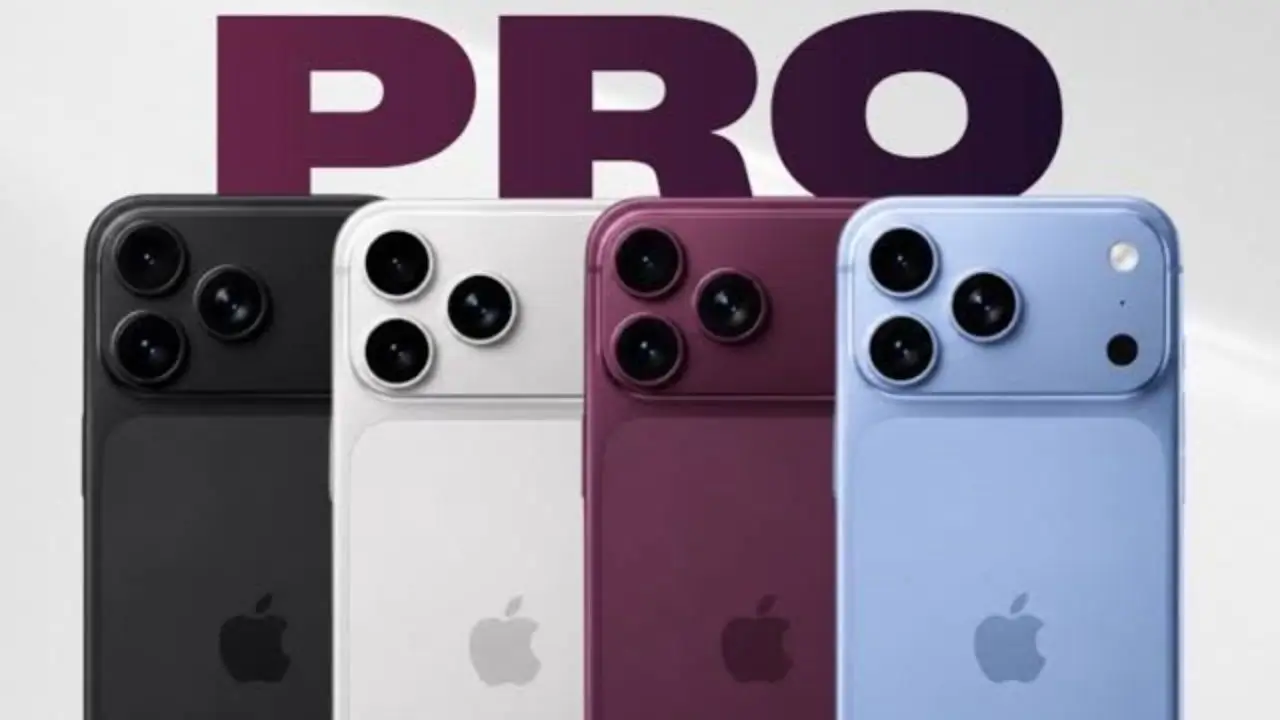
Apple may also introduce new finishes. Dark Cherry, lighter blue and more restrained neutral shades have appeared repeatedly in reports, although the final colors will not be known until Apple officially announces them.
That approach fits Apple’s recent strategy: preserve a recognizable silhouette while making enough refinements to give the new generation its own identity.
5. Connectivity, AI and the Bigger iPhone 18 Picture
The iPhone 18 generation could also represent an important step in Apple’s control over cellular technology. The Pro models are expected to use a new C2 modem, following Apple’s gradual move toward internally designed cellular technology. Reports have also suggested that the C2 modem could support more advanced satellite connectivity.
Satellite communication has already become useful for emergency situations on modern smartphones. Expanding that capability toward broader connectivity would be considerably more ambitious. Some reports suggest satellite-based 5G connectivity could eventually allow data access without conventional Wi-Fi or cellular infrastructure, although this remains one of the areas where buyers should wait for official confirmation.
Apple is also expected to place significant attention on artificial intelligence. The company has been under increasing pressure to make its AI features feel as capable as those offered by competitors. Reports surrounding the September event point toward a more advanced Siri and deeper AI functionality, potentially allowing the assistant to perform more complicated actions across applications.
The foldable iPhone changes the meaning of the iPhone 18 generation
Perhaps the most dramatic development connected with the iPhone 18 family is not the standard phone at all. Apple is expected to introduce its first foldable iPhone, reportedly positioned as an extremely premium product and sometimes referred to as the iPhone Ultra.
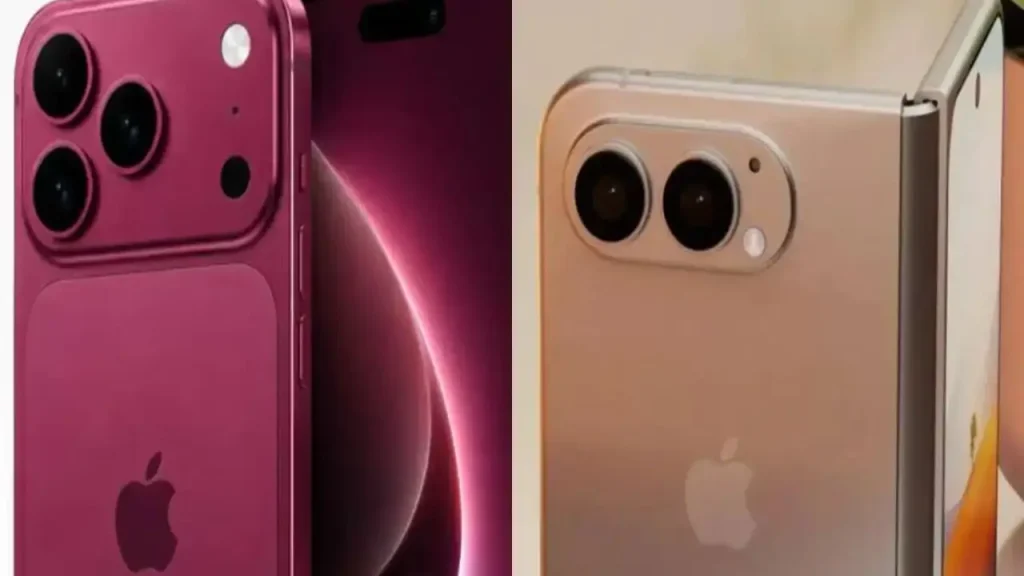
Reports suggest a display of roughly 5.5 inches when closed and around 7.8 inches when opened. That would put the device somewhere between a conventional smartphone and a small tablet in terms of screen experience.
Pricing could be extremely high. Estimates have placed the starting price around $2,000 or higher, with some forecasts suggesting prices could exceed $2,500 depending on configuration. These are estimates rather than confirmed Apple pricing.
The foldable device could therefore serve a different purpose from the iPhone 18 Pro. Rather than being simply the next step in Apple’s standard smartphone design, it could be a new category aimed at customers willing to pay for a larger, more versatile screen in a compact form.
Apple’s challenge will be convincing buyers that the folding format solves a real problem rather than simply being an expensive novelty. Durability, battery life, software adaptation and the quality of the folding mechanism will ultimately determine whether the product becomes a lasting part of the iPhone family.
iPhone 18 Price Expectations
Pricing is one of the biggest unanswered questions. Because Apple has not yet officially announced the full lineup, there is no final confirmed price for the standard iPhone 18.
The premium models could become more expensive, however. Industry reports have suggested that memory costs, component expenses and the increasing complexity of the new hardware may put upward pressure on prices. Some estimates place the iPhone 18 Pro in the neighborhood of $1,099 to $1,199, while the Pro Max could potentially begin around $1,319 to $1,439.
The rumored foldable iPhone is expected to be dramatically more expensive, with estimates commonly exceeding $2,000. At the upper end, some configurations could potentially approach or exceed $3,000.
For buyers outside the United States, including markets where Apple products carry additional taxes and import costs, the final retail price could be considerably higher.
That makes the eventual pricing strategy almost as important as the hardware itself. Apple has an opportunity to make the Pro models feel genuinely premium, but it must also avoid pushing mainstream buyers too far away from the iPhone ecosystem.
Should You Wait for the iPhone 18?
Whether waiting makes sense depends heavily on which model you want. If you specifically want the standard iPhone 18, current reports suggest patience may be necessary because that model is expected to arrive in spring 2027 rather than alongside the September 2026 Pro launch.
If you are interested in the Pro models, the situation is very different. The iPhone 18 Pro and Pro Max are expected to arrive in September 2026, potentially bringing the A20 Pro chip, improved cameras, a smaller Dynamic Island, better connectivity and other refinements.
Owners of relatively recent iPhones should think carefully before upgrading simply because a new generation exists. A major upgrade makes the most sense when the new features solve an actual problem: poor battery life, limited camera performance, insufficient storage or the need for newer AI capabilities.
Someone using a much older iPhone may see a completely different experience. Improvements in display technology, camera processing, battery management, connectivity and software support can accumulate over several generations.
The iPhone 18 is therefore likely to be most attractive to two groups: people who need a substantial upgrade and enthusiasts who specifically want Apple’s newest technology.
Conclusion
The iPhone 18 generation could be a turning point for Apple, not because every model is expected to receive a radical redesign, but because the company appears ready to rethink how its smartphone lineup works.
The expected A20 Pro processor, camera improvements, smaller Dynamic Island, new modem technology and potential battery gains could make the iPhone 18 Pro a meaningful evolution of Apple’s flagship formula. At the same time, the reported foldable iPhone could push the company into a completely new smartphone category.
The biggest surprise, however, may be Apple’s decision to split its iPhone launches. With the Pro models reportedly arriving in fall 2026 and the standard iPhone 18 potentially following in spring 2027, customers will have to rethink the traditional September upgrade cycle.
Until Apple officially confirms the specifications, prices and availability, some details should be treated cautiously. But even with that uncertainty, one thing is becoming clear: the iPhone 18 generation is shaping up to be about more than another yearly processor upgrade. It could establish a new direction for Apple’s phones for years to come.
10 Frequently Asked Questions About the iPhone 18
1. When will the iPhone 18 be released?
The standard iPhone 18 is currently expected to launch in spring 2027. The iPhone 18 Pro and Pro Max are expected to be introduced in September 2026 as part of Apple’s reported split-release strategy.
2. Will Apple launch the iPhone 18 in September 2026?
Current reports suggest that Apple will not launch the standard iPhone 18 in September. Instead, the September lineup is expected to focus on the iPhone 18 Pro, iPhone 18 Pro Max and Apple’s first foldable iPhone.
3. What chip will the iPhone 18 Pro use?
The iPhone 18 Pro is expected to feature Apple’s A20 Pro chip. Reports indicate that it could be manufactured using a 2-nanometer process, potentially improving performance and power efficiency.
4. Will the iPhone 18 have a better camera?
The Pro models are expected to receive substantial camera improvements. One of the most frequently reported upgrades is a variable-aperture main camera, which could provide greater control over light and depth of field.
5. Will the iPhone 18 have a smaller Dynamic Island?
The iPhone 18 Pro models are widely expected to feature a smaller Dynamic Island. The change is reportedly connected to moving at least part of the Face ID system underneath the display.
6. Will the iPhone 18 have a bigger battery?
Battery improvements are expected, particularly on the iPhone 18 Pro Max. Some reports suggest the Pro Max could have a battery approaching 10 percent larger than its predecessor, although Apple has not confirmed this specification.
7. How much will the iPhone 18 cost?
The final price has not been officially confirmed. Estimates suggest the iPhone 18 Pro could begin around $1,099 to $1,199, while the Pro Max could start considerably higher. The rumored foldable iPhone could cost more than $2,000.
8. Is Apple really making a foldable iPhone?
Multiple reports indicate that Apple is preparing its first foldable iPhone for the September 2026 event. It is often referred to as the iPhone Ultra in reports, with estimates suggesting a screen around 5.5 inches when folded and approximately 7.8 inches when opened.
9. Will the iPhone 18 support better satellite connectivity?
The iPhone 18 Pro is rumored to use Apple’s C2 modem, with reports suggesting it could enable more advanced satellite connectivity. The exact capabilities and availability will depend on Apple’s official announcement and regional support.
10. Should I buy an iPhone now or wait for the iPhone 18?
If you need a phone immediately, there is no universal reason to wait. However, people specifically interested in the iPhone 18 Pro should wait for Apple’s September 2026 announcement if possible. Those interested in the standard iPhone 18 may need to wait until spring 2027 based on current reports
