



Introduction
New Mexico is a place where dramatic landscapes, ancient cultures, vibrant cities, and deep-rooted traditions come together in a way that feels unlike anywhere else in the United States. Known as the Land of Enchantment, the state stretches from high desert plains and rugged mountains to river valleys, forests, and otherworldly volcanic landscapes. Its scenery is striking, but the real character of New Mexico comes from the people, history, food, art, and traditions that have shaped the region for centuries.
From the adobe buildings of Santa Fe to the lively streets of Albuquerque and the mountain communities of northern New Mexico, the state offers an extraordinary range of experiences. Visitors can explore Indigenous heritage, Spanish colonial history, Mexican influences, modern Southwestern culture, and some of the country’s most memorable outdoor destinations. Whether someone is planning a vacation, considering a move, studying American history, or simply curious about the state, New Mexico rewards a closer look.
1. The Geography and Natural Beauty of New Mexico
New Mexico occupies more than 120,000 square miles in the American Southwest, making it one of the larger states by land area. Despite its reputation as a desert state, its geography is remarkably diverse. The southern and central portions include broad desert landscapes, while the north rises into the Southern Rocky Mountains. The state’s elevation changes dramatically, creating different climates, ecosystems, and scenery within relatively short distances.
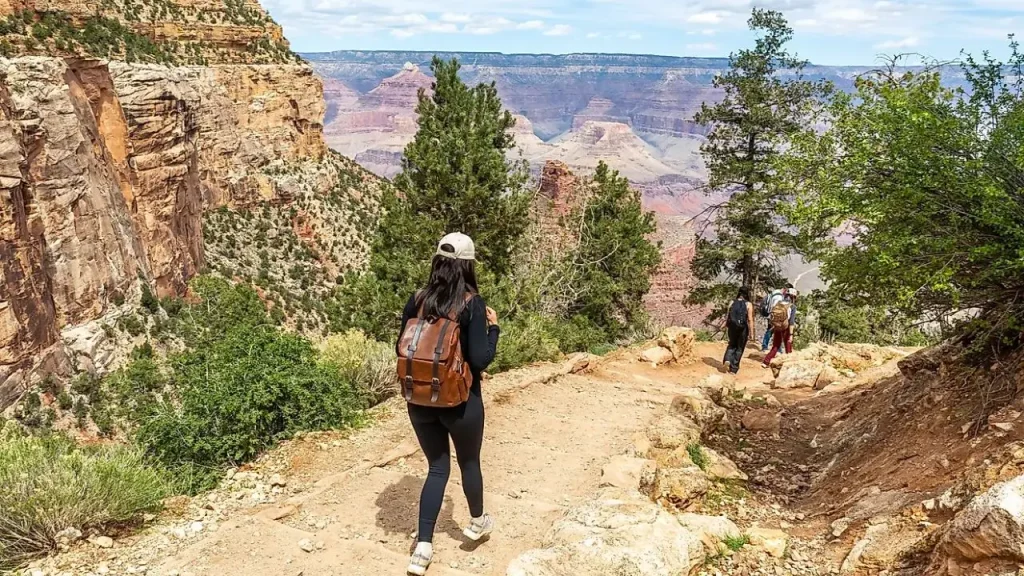
The Sangre de Cristo Mountains dominate much of northern New Mexico and include some of the state’s highest peaks. Wheeler Peak, at more than 13,000 feet, is the highest point in the state. Forested mountain areas provide a sharp contrast to the dry landscapes farther south. Places such as the Carson and Santa Fe National Forests contain pine forests, alpine meadows, streams, and hiking trails that become especially attractive during the warmer months.
Desert Landscapes and Unusual Geological Features
One of the most recognizable natural attractions is White Sands, where brilliant gypsum dunes create a landscape that looks almost unreal. Unlike ordinary desert sand dunes, the dunes here are composed largely of gypsum crystals. The bright white surface reflects sunlight and can appear dramatically different depending on the time of day.
New Mexico also contains volcanic fields, deep canyons, mesas, caves, and ancient river valleys. The Rio Grande cuts through the state and has played a major role in agriculture, settlement, and Indigenous life. In northern New Mexico, the Rio Grande Gorge provides spectacular views of a deep canyon carved into the high desert landscape.
The variety of terrain makes New Mexico particularly appealing to outdoor enthusiasts. Hiking, camping, skiing, mountain biking, fishing, horseback riding, and scenic driving are all possible within the state. The best activity depends heavily on elevation and season, so travelers should consider weather and road conditions when planning an itinerary.
2. The Rich History and Cultural Heritage of New Mexico
New Mexico’s history reaches far beyond the period of European settlement. Indigenous peoples have lived in the region for thousands of years, developing sophisticated agricultural systems, communities, architecture, and cultural traditions. Pueblo communities remain an essential part of the state’s cultural identity, and many continue traditions that have survived enormous historical changes.
Ancient settlements and archaeological sites provide evidence of earlier civilizations. Chaco Canyon, for example, contains remarkable remnants of a major ancestral Puebloan cultural center. Its large buildings, roads, ceremonial spaces, and astronomical alignments offer clues about the complexity of societies that flourished in the region long before the arrival of Europeans.
Spanish colonization began in the late sixteenth century, making New Mexico one of the oldest areas of continuous European settlement in the United States. Spanish traditions influenced architecture, religion, language, agriculture, and food. Later, Mexican independence brought another important period of political and cultural development before the region became part of the United States.
A Meeting Point of Cultures
New Mexico’s identity developed through the interaction of Indigenous, Spanish, Mexican, and Anglo-American communities. Rather than existing as isolated influences, these traditions frequently blended. This can be seen in architecture, music, festivals, crafts, religious practices, and cuisine.
Santa Fe provides an especially clear example. Established as a Spanish colonial settlement, the city later became an important center of trade and government. Its historic buildings and narrow streets reflect centuries of cultural change. The result is a city where Indigenous artistic traditions, Spanish colonial influences, Mexican heritage, and contemporary American culture coexist.
The state’s history also includes difficult chapters involving conflict, displacement, territorial expansion, and struggles over land and political power. Understanding these complexities gives visitors a more meaningful perspective on the communities and traditions they encounter.
3. Cities, Towns, and Everyday Life in New Mexico
New Mexico’s communities vary considerably, and each has its own personality. Albuquerque is the state’s largest city and serves as a major economic, cultural, and transportation center. Located along the Rio Grande, it combines urban development with easy access to mountains and high-desert scenery.
| # | Article Section |
|---|---|
| 1 | Introduction |
| 2 | The Geography and Natural Beauty of New Mexico |
| 3 | The Rich History and Cultural Heritage of New Mexico |
| 4 | Cities, Towns, and Everyday Life in New Mexico |
| 5 | New Mexico Food, Art, and Cultural Traditions |
| 6 | Visiting New Mexico: When to Go and What to Expect |
| 7 | Practical Travel Advice for New Mexico |
| 8 | Conclusion |
| 9 | Frequently Asked Questions About New Mexico |
| 10 | What is New Mexico best known for? |
| 11 | Is New Mexico a desert? |
| 12 | What is the capital of New Mexico? |
| 13 | What is the largest city in New Mexico? |
| 14 | What food is New Mexico famous for? |
| 15 | When is the best time to visit New Mexico? |
| 16 | What is special about White Sands? |
| 17 | Is New Mexico good for outdoor activities? |
| 18 | What cultures influence New Mexico? |
| 19 | Why is New Mexico called the Land of Enchantment? |
Albuquerque is particularly famous for its annual International Balloon Fiesta, one of the most recognizable events in the Southwest. During the festival, hundreds of hot-air balloons can fill the morning sky, creating a spectacular sight against the Sandia Mountains. Beyond the festival, the city has museums, restaurants, historic neighborhoods, cultural institutions, and outdoor recreation.
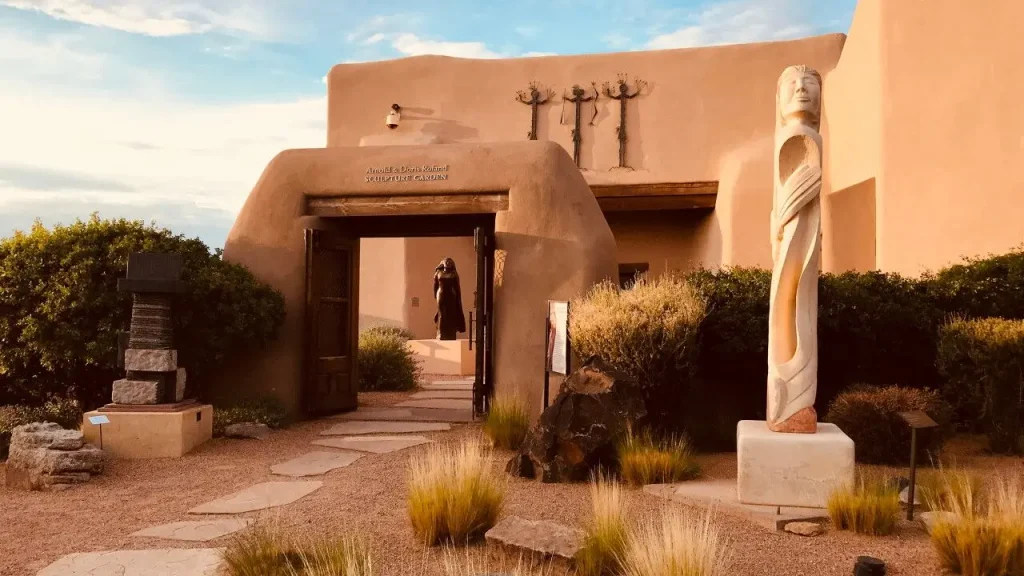
Santa Fe has a very different atmosphere. As the state capital and one of the oldest continuously inhabited capital cities in the United States, it is known for its distinctive adobe architecture, galleries, museums, and historic character. The city’s art scene is especially prominent, attracting artists, collectors, and visitors interested in Southwestern and Indigenous art.
Smaller Communities with Distinct Character
Some of New Mexico’s most memorable experiences can be found away from its largest cities. Taos, for instance, has long attracted artists, writers, and travelers because of its mountain setting and distinctive cultural landscape. The nearby Taos Pueblo is an important Indigenous community and historic site.
Las Cruces in southern New Mexico has a warmer desert climate and sits near the Organ Mountains. Its agricultural traditions, university community, and proximity to outdoor attractions give it a character different from northern mountain towns.
Smaller communities throughout the state often preserve historic buildings, traditional crafts, local festivals, and regional food customs. Travelers who spend time outside the major tourist centers frequently discover a quieter side of New Mexico that is equally compelling.
4. New Mexico Food, Art, and Cultural Traditions
Food is one of the most enjoyable ways to understand New Mexico. The state’s cuisine has been shaped by Indigenous agriculture, Spanish traditions, Mexican influences, and ingredients adapted to the local environment. Among its most famous foods is the New Mexico chile, which appears in countless dishes and is deeply connected to the state’s cultural identity.
Red and green chile are central to New Mexican cooking. A restaurant may ask whether a dish should be prepared with red chile, green chile, or both. The famous “Christmas” option combines the two. Chile can accompany enchiladas, burritos, eggs, stews, burgers, and other dishes, but its flavor varies from one preparation to another.
Art and Handcrafted Traditions
New Mexico is also renowned for its arts and crafts. Santa Fe has developed an international reputation as an art destination, with galleries featuring Indigenous, Southwestern, contemporary, and traditional work. Native American jewelry, pottery, weaving, and sculpture are particularly significant.
Traditional craftsmanship remains important in many communities. Handmade pottery, woven textiles, carved wooden figures, silverwork, and paintings often reflect regional stories and landscapes. For visitors purchasing Indigenous artwork, learning about the artist and community behind a piece can make the experience much more meaningful.
Music and festivals also contribute to the state’s cultural richness. Local celebrations may combine religious traditions, Indigenous practices, Hispanic heritage, music, dance, food, and community gatherings. These events reveal something that museums alone cannot fully capture: New Mexico’s culture is not simply preserved history but a living part of everyday life.
5. Visiting New Mexico: When to Go and What to Expect
New Mexico can be visited throughout the year, but the ideal season depends on what a traveler wants to do. Spring and autumn are especially attractive for exploring cities, hiking, sightseeing, and scenic drives because temperatures are often comfortable. Fall can be particularly beautiful in the northern mountains, where changing foliage adds another layer of color to the landscape.
Summer can be hot at lower elevations, although mountain areas may offer cooler conditions. Afternoon thunderstorms can occur during the summer monsoon season, particularly in the mountainous parts of the state. Travelers heading into remote areas should pay attention to weather forecasts and avoid assuming that dry conditions will remain constant.
Winter transforms northern New Mexico into a destination for skiing and snow sports. Communities such as Taos and other mountain areas attract winter visitors, while lower-elevation cities generally remain more moderate. The contrast between snowy mountains and dry desert landscapes is one of the state’s most interesting seasonal features.
Practical Travel Advice
Distances in New Mexico can be deceptive. A map may make two attractions appear reasonably close, but mountainous roads, remote highways, and changing elevation can make journeys longer than expected. Planning realistic driving times is particularly important when visiting several destinations during one trip.
Visitors should also prepare for elevation. Santa Fe sits at a much higher elevation than many travelers expect, and mountain destinations can be considerably higher. Drinking enough water, allowing time to adjust, and taking physical activity gradually can make a trip more comfortable.
Respect for local communities is equally important. Indigenous pueblos are living communities, not simply tourist attractions. Visitors should follow posted rules, photography restrictions, and guidance from local authorities. Supporting locally owned businesses and purchasing authentic regional artwork can also contribute directly to the communities that make New Mexico distinctive.
Conclusion
New Mexico is a state that rewards curiosity. Its appeal goes far beyond desert scenery or famous tourist attractions. Ancient Indigenous heritage, Spanish colonial history, Mexican cultural influences, American expansion, contemporary art, distinctive cuisine, and extraordinary landscapes have all contributed to the state’s character.
A trip to New Mexico can mean watching the sunrise over white gypsum dunes, exploring centuries-old adobe architecture, hiking through pine forests, eating green chile at a local restaurant, visiting an Indigenous cultural site, or simply driving through an open landscape beneath a vast Southwestern sky. Few places offer such a powerful combination of history, culture, food, and natural beauty.
For travelers, New Mexico offers both iconic destinations and quieter discoveries. For anyone interested in American history and culture, it provides an unusually rich story. And for people who simply want to experience a place with a strong sense of identity, the Land of Enchantment has plenty to offer.
Frequently Asked Questions About New Mexico
1. What is New Mexico best known for?
New Mexico is best known for its dramatic Southwestern landscapes, Indigenous and Hispanic heritage, adobe architecture, New Mexican chile cuisine, Santa Fe, Albuquerque, and attractions such as White Sands and Chaco Canyon.
2. Is New Mexico a desert?
Parts of New Mexico are desert or high desert, but the state is geographically diverse. It also contains mountains, forests, grasslands, river valleys, volcanic landscapes, and alpine environments.
3. What is the capital of New Mexico?
The capital of New Mexico is Santa Fe. It is one of the oldest capital cities in the United States and is famous for its historic architecture, arts scene, and cultural heritage.
4. What is the largest city in New Mexico?
Albuquerque is the largest city in New Mexico. It is an important center for business, education, transportation, culture, and tourism.
5. What food is New Mexico famous for?
New Mexico is particularly famous for dishes featuring locally grown chile peppers. Red chile, green chile, enchiladas, tamales, posole, and breakfast dishes are common parts of New Mexican cuisine.
6. When is the best time to visit New Mexico?
Spring and fall are often excellent choices for general sightseeing because temperatures can be comfortable. Winter is attractive for skiing, while summer can be ideal for higher-elevation destinations and certain outdoor activities.
7. What is special about White Sands?
White Sands is famous for its brilliant white gypsum dunes. The unusual composition of the dunes creates a striking landscape unlike the typical tan or orange desert scenery associated with the American Southwest.
8. Is New Mexico good for outdoor activities?
Yes. The state offers hiking, skiing, camping, mountain biking, fishing, horseback riding, scenic drives, and other outdoor activities. Its varied elevations create opportunities across several different environments.
9. What cultures influence New Mexico?
New Mexico has been shaped by Indigenous peoples, Spanish settlers, Mexican heritage, and later American communities. These influences can be seen in the state’s food, architecture, language, art, festivals, and traditions.
10. Why is New Mexico called the Land of Enchantment?
“Land of Enchantment” reflects the state’s distinctive combination of dramatic scenery, cultural traditions, history, and atmosphere. The nickname captures the sense of wonder associated with New Mexico’s landscapes and communities
