


Introduction
A Toronto storm can transform an ordinary day into a serious weather event within a matter of hours. The city’s dense urban landscape, extensive road network, high-rise buildings, ravines, waterfront areas, and busy transportation system mean that severe weather can affect thousands of people at once. A storm does not need to produce a tornado or extraordinary snowfall to cause disruption. Heavy rain can overwhelm drainage systems, strong winds can bring down branches and power lines, and sudden temperature changes can make roads dangerous.
Toronto experiences several types of significant storms throughout the year. Summer thunderstorms may arrive with intense rainfall, lightning, powerful wind gusts, and occasionally hail. Winter storms can combine snow, freezing rain, ice, and strong winds, creating difficult travel conditions. Spring and autumn bring their own challenges, particularly when changing air masses produce periods of heavy rain and strong winds. Understanding how these storms develop and how they affect the city can help residents make better decisions before, during, and after severe weather.
1. Why Toronto Is Vulnerable to Different Types of Storms
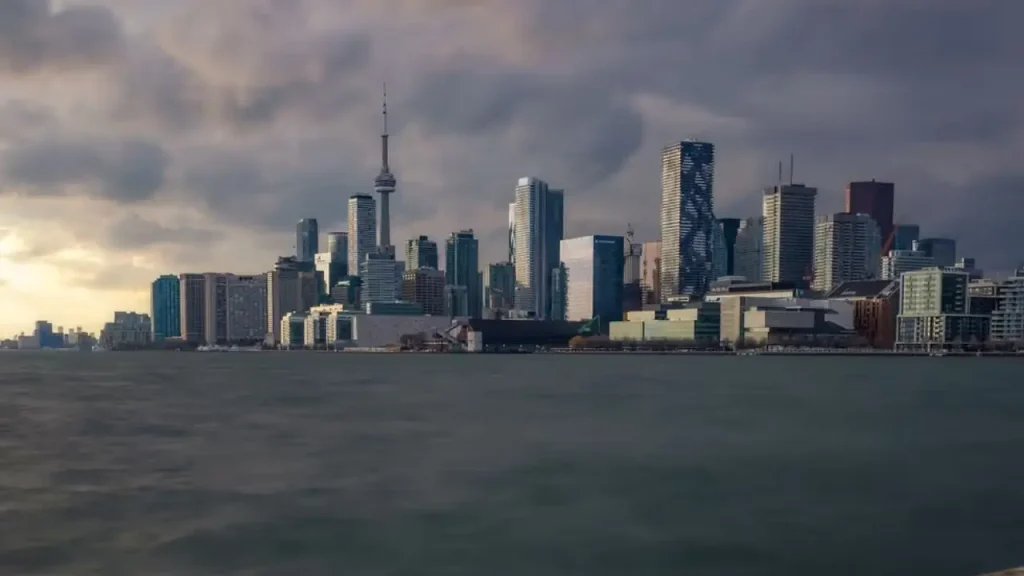
Toronto sits along the northwestern shore of Lake Ontario, and its location plays a role in the weather patterns experienced by the city. The lake can moderate temperatures, but it can also contribute to rapidly changing local conditions. Large weather systems moving across southern Ontario may bring substantial precipitation, while thunderstorms can develop when warm, humid air interacts with colder air moving through the region. The result can be anything from a brief downpour to a widespread severe-weather event.
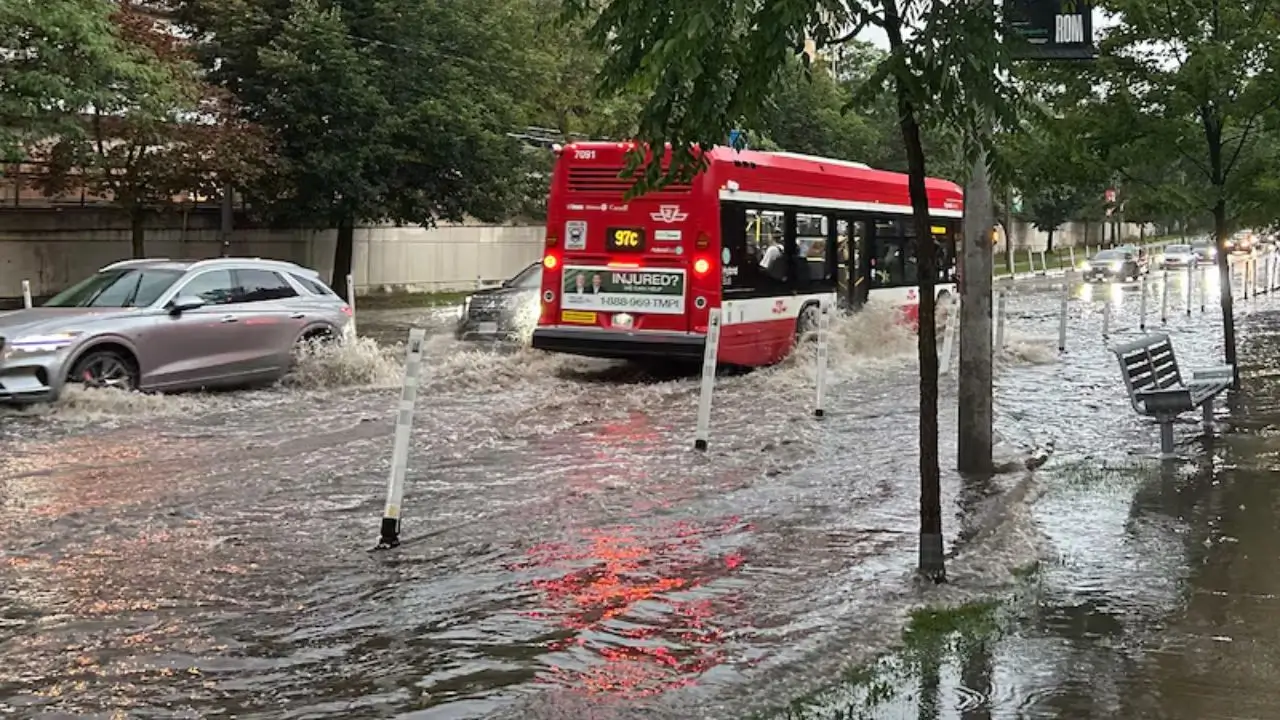
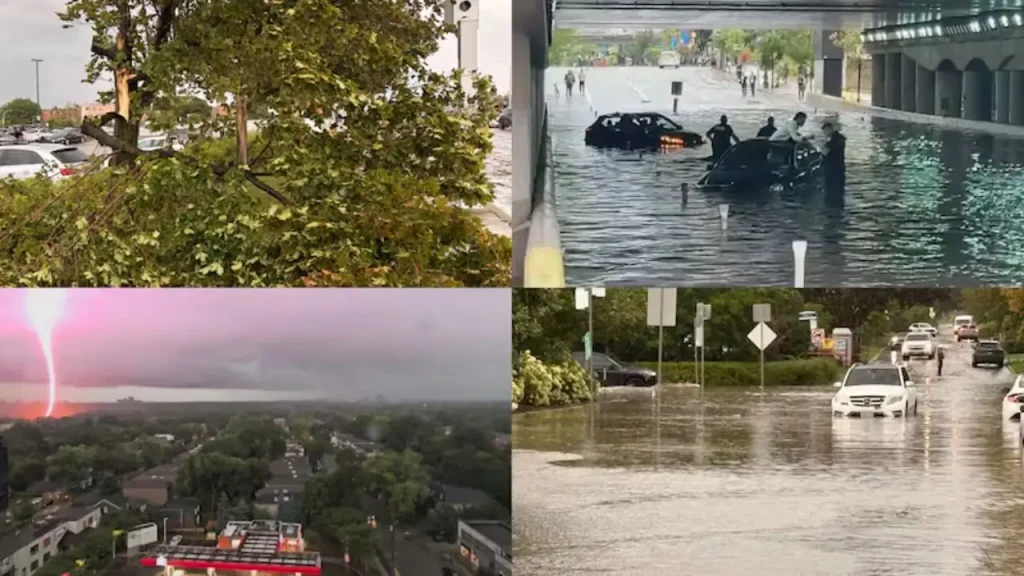
The urban environment adds another layer of complexity. Toronto contains extensive paved surfaces that do not absorb water as efficiently as natural ground. During intense rainfall, water can accumulate quickly on streets, underpasses, parking areas, and low-lying sections of the city. Ravines and waterways can also rise rapidly when large amounts of rain fall over a short period. Even when a storm passes relatively quickly, its effects can continue for hours because transportation routes may be flooded, trees may block roads, and drainage systems may remain under pressure.
Summer Thunderstorms
Thunderstorms are among Toronto’s most familiar severe-weather threats. They can produce lightning, torrential rain, gusty winds, hail, and, in stronger systems, damaging straight-line winds or tornadoes. Not every thunderstorm becomes severe, but conditions can change quickly, which is why warnings should be taken seriously.
| Category | Details |
|---|---|
| Topic | Toronto Storm |
| Primary Category | News |
| Subcategory | Weather / Severe Weather |
| Focus Keyword | Toronto Storm |
| Content Type | Informational Article |
| Main Topics Covered | Storms, heavy rain, flooding, strong winds, lightning, power outages |
| Location | Toronto, Canada |
| Audience | Toronto residents, travelers, drivers, and weather readers |
| Article Length | 1400+ words |
| FAQs | 10 |
| Article Style | Informative, engaging, professional |
| Best Website Section | News |
Lightning is particularly dangerous because it can strike outside the immediate area of heavy rain. People who remain outdoors during a thunderstorm may underestimate the danger if the rain appears light or the storm seems distant. The safest response is to move indoors or into a substantial enclosed vehicle when thunder is heard and remain there until the storm has passed.
2. Heavy Rain, Flooding, and the Urban Impact of a Toronto Storm
Heavy rainfall is one of the most disruptive consequences of a major Toronto storm. The city’s drainage infrastructure is designed to handle substantial amounts of precipitation, but exceptionally intense rainfall can overwhelm local systems. When rain falls faster than water can enter drains, flow through pipes, or soak into the ground, temporary flooding can occur.
Flooding does not always look dramatic at first. Water may collect around curbs, intersections, construction zones, or entrances to underground areas. However, even relatively shallow moving water can create hazards for pedestrians and drivers. Vehicles can lose traction, stall, or become difficult to control. Water can also conceal potholes, damaged pavement, debris, or changes in road depth.
Basements are another concern during intense rainfall. Homes and buildings in areas with drainage problems may experience water entering through windows, doors, foundations, or plumbing systems. Property owners can reduce the risk by keeping drainage areas clear, maintaining eavestroughs and downspouts, and ensuring that water is directed away from building foundations.
The Waterfront and Ravine Areas
Toronto’s waterfront has a special relationship with severe weather. Strong winds over Lake Ontario can create rough water and dangerous conditions along exposed shorelines. People walking near the lake may encounter sudden gusts, large waves, slippery surfaces, and flying debris during severe weather. Boaters face additional risks because conditions on the lake can deteriorate rapidly.
The city’s ravine network also requires caution after heavy rain. Trails and paths can become muddy and slippery, while fast-moving water may develop in channels that are normally shallow or nearly dry. A route that appears safe under ordinary conditions can become hazardous following intense precipitation. Staying away from swollen waterways and unstable slopes is a sensible precaution until conditions return to normal.
3. Strong Winds, Lightning, and the Damage Storms Can Cause
Wind is often underestimated during severe weather. A powerful storm can produce gusts strong enough to break tree limbs, damage roofs, knock over unsecured outdoor objects, and interfere with electrical infrastructure. Toronto’s extensive tree canopy makes wind-related damage particularly visible. A fallen branch can block a sidewalk, damage a vehicle, interrupt traffic, or bring down a power line.
Residents can prepare for high winds before a storm arrives by securing patio furniture, garbage bins, umbrellas, planters, decorations, and other lightweight objects. Windows and doors should be properly closed, and people should avoid standing near large trees during periods of strong wind. If a tree or branch comes down near a home, people should keep their distance until the area has been assessed, particularly if electrical wires are involved.
Lightning presents a different kind of danger. It can cause fires, damage electrical equipment, and seriously injure people who remain outdoors. Tall, isolated objects and open spaces can increase exposure. During a thunderstorm, indoor shelter is the safest option. It is also wise to avoid unnecessary contact with electrical equipment connected to outlets and to stay away from plumbing when lightning activity is nearby.
Power Outages and Infrastructure Disruptions
Storm damage can sometimes lead to power interruptions. Fallen branches may contact electrical lines, equipment can be damaged by wind, and severe weather can interfere with other parts of the utility network. An outage may last only a short time, but larger storms can create more extensive disruptions.
Households can prepare by keeping flashlights, batteries, portable chargers, drinking water, basic food, and necessary household supplies available. Refrigerators and freezers should generally remain closed during an outage so that cold air stays inside for as long as possible. People should also avoid approaching downed power lines. A wire that appears inactive can still be energized and should be treated as extremely dangerous.
4. How a Toronto Storm Affects Transportation and Daily Life
Toronto’s transportation system can experience widespread disruption during severe weather. Heavy rainfall may cause localized flooding, while snow and ice can make roads difficult to navigate. Strong winds can bring branches onto streets or create dangerous conditions for cyclists, pedestrians, and high-profile vehicles. Public transit may also experience delays when infrastructure, road conditions, or electrical systems are affected.
Drivers should resist the temptation to continue through flooded roads simply because another vehicle has done so. The depth of water may be difficult to judge, and conditions can change rapidly. A safer approach is to find an alternative route or wait until authorities indicate that travel is safe. During winter storms, drivers should also allow additional stopping distance and avoid unnecessary trips when road conditions are hazardous.
Pedestrians face their own set of challenges. Wind can send loose objects across sidewalks, while heavy rain can reduce visibility and make surfaces slippery. During winter, freezing rain can create an almost invisible layer of ice on sidewalks and steps. Anyone traveling during a severe-weather event should slow down, remain alert, and avoid taking unnecessary risks simply to maintain a normal schedule.
High-Rise Buildings and Urban Areas
Toronto’s skyline creates another consideration during strong storms. People living or working in high-rise buildings may feel wind effects more noticeably at elevated levels, while balconies can become dangerous places during thunderstorms or high winds. Outdoor furniture and other objects should be secured or brought indoors whenever severe weather is expected.
Construction sites can also become vulnerable during high winds and heavy precipitation. Equipment, materials, temporary structures, and exposed surfaces may create additional hazards. People should respect closures and barriers rather than attempting to pass through restricted areas. A route that is normally convenient may be unsafe during or immediately after a major storm.
5. How Toronto Residents Can Prepare Before Severe Weather Arrives
Good storm preparation begins before dark clouds appear. Residents should pay attention to official weather forecasts and alerts, particularly when severe conditions are expected. A forecast is not a guarantee of exactly what will happen in a particular neighbourhood, but it provides valuable information about the potential timing and severity of a weather system.
At home, basic preparation can make a significant difference. Outdoor objects should be secured, drains and gutters should be checked, and emergency supplies should be easy to access. Phones and portable power banks can be charged in advance. People who rely on electrically powered medical or accessibility equipment should have an appropriate backup plan where possible.
It is also worth considering what happens if normal communication or transportation becomes difficult. Families can agree on how they will contact one another and where they will meet if necessary. Important phone numbers can be stored in more than one place. Pet owners should also include animals in their emergency preparations, making sure food, water, medications, and suitable carriers or leashes are available.
What to Do During and After the Storm
When severe weather arrives, the safest choice is usually to stay indoors and monitor official information. During thunderstorms, people should stay away from windows and avoid unnecessary outdoor activity. During high winds, interior rooms away from windows can provide greater protection from flying debris. If flooding begins, people should avoid walking or driving through moving water.
The period after a storm can be just as important as the storm itself. Downed trees, broken glass, unstable structures, damaged roads, and electrical hazards may remain after the rain and wind have stopped. People should not assume that clear skies mean every danger has disappeared.
If a power line is down, keep well away and report it through the appropriate emergency or utility channels. Flooded areas should also be avoided until they are confirmed safe. Residents can help their communities recover by reporting hazards rather than attempting dangerous repairs themselves.
Conclusion
A Toronto storm can take many forms, from a short summer thunderstorm to a major winter weather system involving snow, freezing rain, and powerful winds. What makes severe weather especially challenging in a large city is the way multiple risks can overlap. A storm can simultaneously affect roads, public transportation, electrical infrastructure, homes, trees, waterways, and businesses.
Preparation does not require complicated equipment or dramatic measures. Paying attention to weather alerts, securing outdoor belongings, keeping emergency supplies available, avoiding flooded roads, staying indoors during lightning, and treating downed power lines as extremely dangerous are simple steps that can significantly reduce risk.
Toronto residents cannot control when severe weather arrives, but they can control how prepared they are when it does. A calm, informed response is often the best protection against the sudden disruption a powerful storm can bring.
10 Frequently Asked Questions About Toronto Storms
1. What types of storms can affect Toronto?
Toronto can experience thunderstorms, heavy rainstorms, strong wind events, winter snowstorms, freezing rain, hail, and occasionally tornadoes. Different seasons bring different combinations of hazards.
2. Why can heavy rain cause flooding in Toronto?
Intense rainfall can exceed the capacity of drainage systems, particularly when a large amount of water falls within a short period. Paved urban surfaces also limit how much rain can naturally soak into the ground.
3. Are Toronto thunderstorms dangerous?
Yes. Strong thunderstorms can produce lightning, heavy rain, damaging winds, hail, and occasionally tornadoes. People should seek shelter indoors when thunderstorms are nearby.
4. What should I do if there is lightning during a storm?
Go indoors or enter a substantial enclosed vehicle and remain there while the storm is active. Avoid exposed outdoor areas and unnecessary contact with electrical equipment and plumbing.
5. Is it safe to drive through flooded streets?
No. Floodwater can be deeper or faster-moving than it appears and may conceal road damage or debris. Drivers should avoid flooded roads and use a safer alternative route.
6. What should I do if a storm causes a power outage?
Use flashlights rather than candles where possible, keep refrigerators and freezers closed, conserve phone battery, and stay away from downed electrical lines. Report dangerous electrical hazards to the appropriate authorities.
7. Can storms affect Toronto’s public transportation?
Yes. Heavy rain, flooding, snow, ice, fallen trees, strong winds, and infrastructure damage can all cause delays or service disruptions. Travelers should check current transit information before leaving.
8. Are Toronto’s ravines safe during heavy rain?
Ravines can become hazardous during and after intense rainfall. Water levels and currents may rise quickly, trails can become slippery, and slopes may become unstable. It is safer to avoid waterways and vulnerable areas during severe conditions.
9. How can I prepare my home for a severe storm?
Secure outdoor furniture and loose objects, clean gutters and drainage areas, charge essential devices, keep flashlights and emergency supplies available, and make sure household members know what to do if power or transportation is disrupted.
10. Where should people get reliable information during a Toronto storm?
Residents should rely on official weather alerts, emergency authorities, municipal information, and utility updates for current warnings and instructions. Social media reports can be useful for local observations, but official sources should guide safety decisions.
